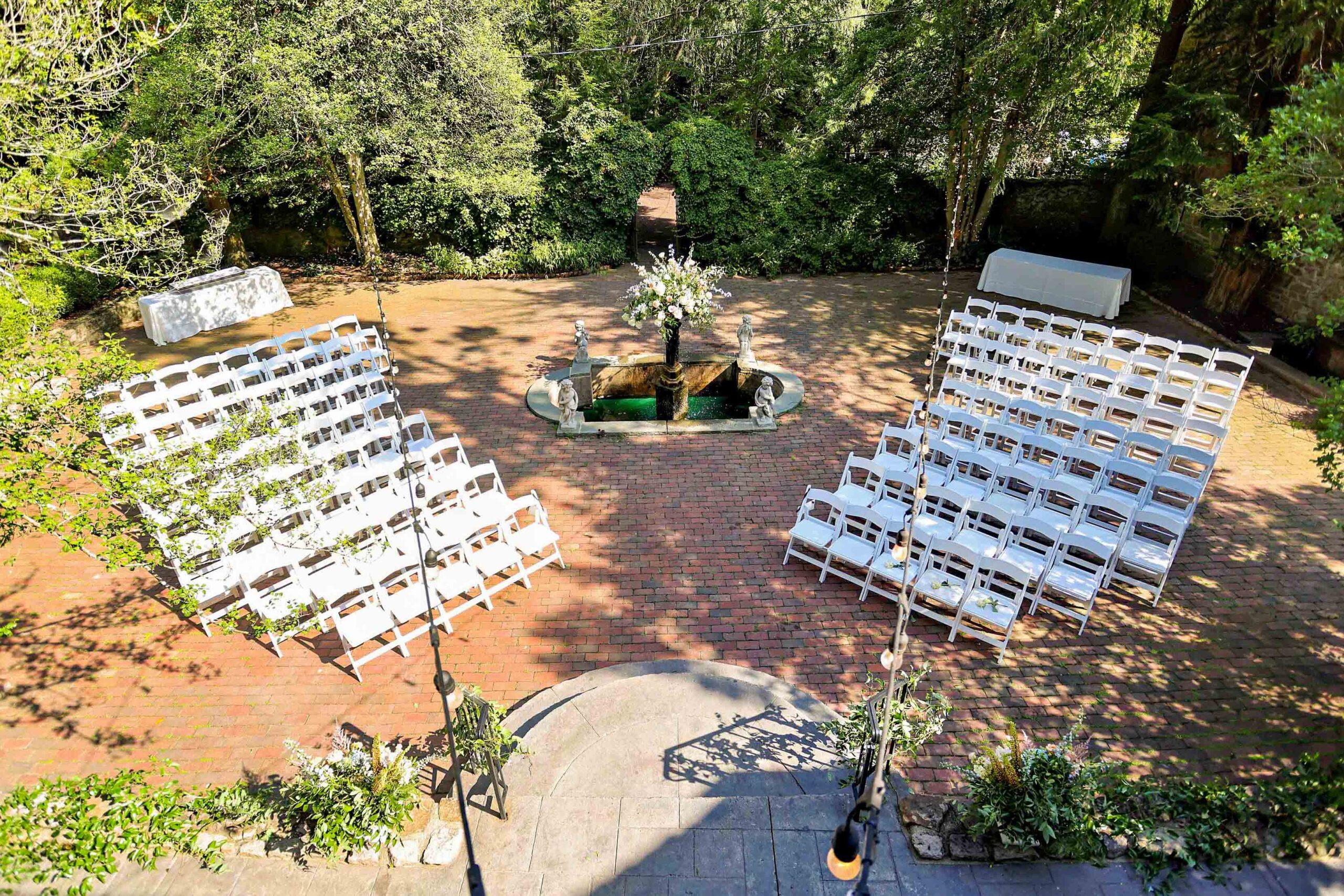
Wedding venue photography is a cornerstone of any wedding album, serving as the canvas upon which the entire story unfolds. As a seasoned wedding photographer, you understand that the venue is more than just a backdrop; it’s a character in the narrative, setting the tone, mood, and aesthetic of the couple’s special day. Capturing the venue in its full glory not only enhances the visual appeal of the album but also provides context, anchoring the emotions and moments in a tangible space. From the grandeur of a cathedral to the intimacy of a rustic barn and captivating ballroom wedding portraits, the venue’s unique features can elevate your work, offering opportunities for creative compositions, lighting experiments, and storytelling.
The importance of venue photography extends beyond aesthetics. It’s about preserving the essence of the day. Couples invest significant time and resources in selecting a venue that reflects their personalities and love story. Your ability to highlight architectural details, natural landscapes, and ambient lighting ensures that their choice is celebrated and remembered. Moreover, these images often become the opening act of the wedding album, setting expectations for the visual journey ahead.
In this blog, we’ll delve into 25 critical aspects to consider when evaluating a wedding venue for photography. From lighting conditions and architectural elements to logistical factors like accessibility and shooting angles, these insights will help you maximize the potential of any venue. Whether you’re scouting photo locations or shooting on the day, these tips will refine your approach, ensuring you capture the venue in a way that complements the couple’s vision and enhances the overall narrative of their wedding album. Let’s explore how to turn every venue into a masterpiece that resonates with emotion and artistry.
- Natural Light Availability
Natural light is a photographer’s best friend. Venues with large windows or open spaces allow for soft, even lighting, which enhances skin tones and reduces harsh shadows. When scouting, assess how light enters the space at different times of the day. Turn off artificial lights to avoid mixed lighting, which can create unflattering color casts. Prioritize venues with neutral-colored walls to prevent unwanted color reflections, ensuring your wedding photography captures true-to-life tones.
- Versatile Portrait Locations
A venue with diverse backdrops, gardens, architectural features, or scenic views offers endless creative opportunities. Look for symmetry, patterns, and natural framing elements like arches or trees. During the walkthrough, visualize how these elements can be used for couple portraits. A venue with multiple options ensures you can adapt to changing weather or lighting conditions while maintaining variety in the wedding album.
- Backup Plan for Rain
Unpredictable weather can disrupt outdoor wedding ceremonies. Venues with a well-thought-out rain plan, such as covered pavilions or indoor spaces, are essential. Evaluate the backup location’s aesthetic appeal and lighting. If it doesn’t align with the couple’s vision, suggest renting a tent or additional decor to enhance the space. This ensures the day remains stress-free and the photos retain their charm, regardless of the weather.
- Spacious Bridal and Groom Suites
Getting-ready photos set the tone for the album. Suites with ample space, natural light, and minimal clutter are ideal. A separate area for hair and makeup keeps the main room clean for photography. Encourage venues to provide a designated storage area for personal items, ensuring the suite remains photogenic and organized throughout the preparation process.
- Ceremony Lighting and Layout
The ceremony space should have even lighting to avoid harsh contrasts between the couple. Visit the venue at the planned ceremony time to assess light direction. Outdoor ceremonies benefit from backlighting, while indoor spaces should have consistent artificial lighting. Ensure there’s enough room for photographers to move discreetly, capturing multiple angles without disrupting the event.
- Accessibility for Guests and Vendors
Logistics play a crucial role in seamless photography. Venues with easy access for guests and vendors simplify equipment setup and movement. Check for ample parking, loading zones, and pathways. A well-organized venue allows photographers to focus on capturing moments rather than navigating logistical challenges, ensuring a smooth workflow.
- Reception Space Aesthetics
Reception areas with neutral tones and adjustable lighting create a versatile canvas for photography. Avoid venues with overpowering wall colors that can cast unwanted hues. Suggest uplighting to enhance the ambiance and complement the couple’s theme. A well-lit dance floor and spacious layout ensure dynamic and engaging reception photos.
- Outdoor and Indoor Balance
Venues offering both outdoor and indoor spaces provide flexibility. Outdoor areas are perfect for natural light portraits, while indoor spaces serve as a backup for inclement weather. Evaluate how the two spaces connect and whether transitions are smooth. This balance ensures you can adapt to any situation while maintaining a cohesive narrative in the album.
- Unique Architectural Features
Distinctive architectural elements like grand or spiral staircase photography, vintage doors, or intricate ceilings add character to photos. Highlight these features in wide-angle shots or use them as backdrops for portraits. When touring venues, identify standout elements that align with the couple’s style, ensuring their wedding album feels personalized and unique.
- Vendor-Friendly Policies
Venues that accommodate photographers’ needs, such as providing secure storage for gear or allowing flexibility in setup, foster a collaborative environment. Discuss policies regarding flash usage, movement during ceremonies, and access to restricted areas. A supportive venue ensures you can deliver your best work without unnecessary restrictions, enhancing the overall experience for the couple.
- Golden Hour Opportunities
Venues with open outdoor spaces are ideal for capturing the golden hour photos, a magical time just before sunset when the light is soft and warm. Check if the venue has unobstructed views of the horizon or scenic spots where the couple can be photographed during this time. Plan the timeline to include a dedicated session for golden hour portraits, ensuring the wedding album features this ethereal lighting.
- Minimal Visual Clutter
Spaces with clean, minimal decor allow the couple and their story to take center stage. Venues with excessive or mismatched decor can distract from the subject. During the walkthrough, identify areas that may need decluttering or rearranging. Suggest venues with neutral backdrops or simple design elements that complement, rather than compete with, the couple’s aesthetic.
- Ample Shade for Outdoor Photos
Outdoor venue photos should offer shaded areas, especially for summer weddings. Direct sunlight can create harsh shadows and cause discomfort for the couple and guests. Look for trees, pergolas, or covered patios that provide natural shade. These areas are perfect for group photos and candid moments, ensuring everyone looks their best without squinting or sweating.
- Scenic Ceremony Backdrops
A stunning ceremony backdrop elevates the visual impact of the wedding album. Whether it’s a mountain view, a waterfront, or a floral arch, the backdrop should align with the couple’s theme. Evaluate how the backdrop will appear in photos, considering factors like symmetry, depth, and lighting. A well-chosen backdrop becomes a focal point, enhancing the ceremony’s emotional resonance.
- Indoor Lighting Customization
Indoor venues with adjustable lighting options offer greater control over the ambiance. Dimmer switches, uplighting, and spotlights can be used to create mood and highlight key moments. Discuss lighting options with the venue coordinator and test different settings during the walkthrough. This ensures you can adapt the lighting to suit various parts of the day, from the ceremony to the reception.
- Quiet, Private Spaces
Venues with secluded areas provide opportunities for intimate couple portraits away from the crowd. These spaces allow the couple to relax and connect, resulting in authentic, emotional wedding photos. Look for hidden gardens, quiet hallways, or private balconies. Incorporating these moments into the timeline adds depth and variety to the wedding album.
- Seasonal Considerations
The venue’s appearance can change dramatically with the seasons. Visit the venue during the same season as the wedding to assess its aesthetic. Consider factors like blooming flowers, fall foliage, or snow-covered landscapes. Understanding the venue’s seasonal characteristics helps you plan compositions that highlight its natural beauty, ensuring the photos feel cohesive and timely.
- Architectural Symmetry
Symmetrical architecture creates visually pleasing compositions. Venues with balanced designs, such as evenly spaced columns, arches, or windows, provide natural framing for portraits. During the walkthrough, identify symmetrical elements that can be used creatively. These features add a sense of harmony and elegance to the photos, enhancing the overall aesthetic.
- Unique Textures and Materials
Venues with interesting textures like brick walls, wooden beams, or stone pathways add depth and character to photos. These elements can be used as backdrops or incorporated into detail shots. When scouting, take note of textures that align with the couple’s theme. Using these features creatively can elevate the visual storytelling in the wedding album.
- Accessibility to Iconic Landmarks
Some venues are located near iconic landmarks or scenic spots that can be incorporated into the wedding photos. Whether it’s a historic building, a city skyline, or a natural wonder, these locations add a unique touch to the album. Coordinate with the venue and the couple to include time for off-site portraits, ensuring these landmarks are seamlessly integrated into the day’s narrative.
- Flexible Photo Locations
Venues that allow flexibility in using different areas for photos provide more creative freedom. Some venues restrict access to certain spots, which can limit your options. During the walkthrough, confirm which areas are accessible and discuss any restrictions with the venue coordinator. A venue that encourages exploration ensures you can capture a variety of shots, from wide landscapes to intimate close-ups.
- Well-Maintained Grounds
The condition of the venue’s grounds significantly impacts the quality of outdoor photos. Look for venues with manicured lawns, clean pathways, and well-kept gardens. Overgrown or poorly maintained areas can detract from the overall aesthetic. A venue that prioritizes upkeep ensures every corner is photo-ready, enhancing the visual appeal of the wedding album.
- Unique Indoor Features
Indoor venues with standout features like grand chandeliers, spiral staircases, or vintage fireplaces add a touch of luxury and uniqueness to photos. These elements can serve as focal points for portraits or detail shots. During the venue tour, identify these features and plan how to incorporate them into your compositions, ensuring they complement the couple’s style.
- Evening Lighting Options
For weddings that extend into the evening, venues with ambient lighting options like string lights, lanterns, or candles create a romantic atmosphere. These lighting elements add warmth and depth to nighttime photos. Discuss the venue’s evening lighting setup and test how it photographs during the walkthrough. Proper lighting ensures the magic of the evening is captured beautifully.
- Space for Drone Photography
If drone photography is part of your service, ensure the venue has open spaces and permits drone usage. Aerial shots can provide a unique perspective, showcasing the venue’s layout and surroundings. Confirm any restrictions or guidelines with the venue and plan for optimal times to capture these shots. Including aerial views adds a dynamic element to the wedding album, offering a fresh perspective on the day.
Choosing the right wedding venue is a pivotal decision that directly impacts the quality and creativity of your photography. As a seasoned wedding photographer, you know that every venue tells a unique story, and your role is to bring that story to life through your lens. From natural light availability and versatile portrait locations to unique architectural features and evening lighting options, each element plays a crucial role in creating a visually stunning and emotionally resonant wedding album.
This blog has explored 25 essential aspects to consider when evaluating a wedding venue for photography. These tips, ranging from practical considerations like backup plans for rain and vendor-friendly policies to creative opportunities like golden hour settings and iconic landmarks, are designed to help you maximize the potential of any venue. By paying attention to these details, you can ensure that every shot is not only technically flawless but also deeply meaningful.
Ultimately, a well-chosen venue becomes more than just a backdrop—it transforms into a character in the couple’s love story. By leveraging the venue’s strengths and addressing its challenges, you can craft a wedding album that captures the essence of the day, leaving the couple with timeless memories they’ll cherish forever.