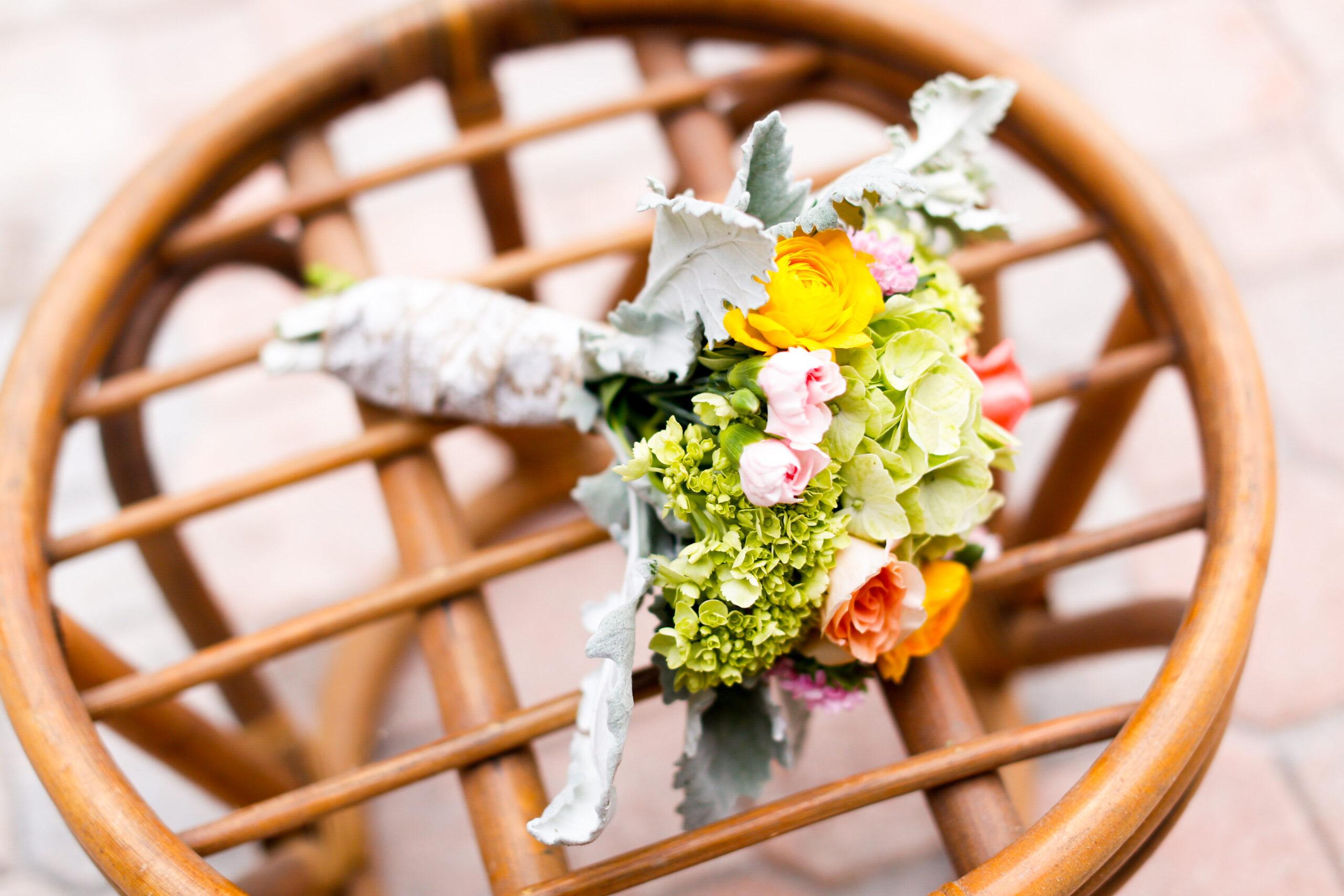
As a seasoned wedding photographer, you understand that every element in a photograph contributes to the story you’re telling. Among these elements, color plays a pivotal role, often influencing the mood, emotions, and overall impact of your images. This is where the importance of understanding color psychology in photography comes into play. By mastering the art of color psychology, you can elevate your wedding photography to new heights, creating images that not only captivate but also resonate deeply with your clients and their audience.
Color is far more than a visual element; it’s a powerful tool that evokes emotions, sets the tone, and guides the viewer’s perception. For instance, warm tones like red and orange can convey passion, energy, and excitement, while cooler tones like blue and green evoke calmness, serenity, and balance. Neutral tones, on the other hand, bring sophistication and timelessness to your compositions. In this blog, we’re going to introduce 25 actionable tips for incorporating color psychology into your wedding photography game. These tips are designed to help you make intentional color choices, from pre-visualizing your shots to post-processing techniques.
- Use Warm Colors to Evoke Passion and Energy
Warm colors like red, orange, and yellow are powerful tools for evoking emotions such as passion, energy, and excitement in your wedding photography. To achieve this, look for natural or artificial light sources that cast warm tones, such as golden hour sunlight or candlelit receptions. In post-processing, adjust the white balance or use color grading to enhance these tones, creating vibrant and emotional wedding photography that stands out in your wedding photography portfolio.
- Leverage Cool Tones for Calm and Serenity
Cool tones like blue, green, and teal are ideal for creating a sense of calm and serenity in your images. These colors work beautifully in outdoor wedding photography, especially when capturing natural elements like water, foliage, or open skies. To emphasize cool tones, use a lower color temperature in your camera settings or enhance them during editing with selective color adjustments. This approach ensures your photos exude tranquility and balance, perfect for intimate wedding moments and serene wedding photography styles.
- Use Complementary Colors for Visual Harmony
Complementary colors, such as blue and orange or red and green, create striking visual harmony in your wedding photography. Incorporate these color pairings through the couple’s attire, floral arrangements, or venue decor. For example, a bride’s white dress against a lush green garden or a groom’s navy suit paired with warm-toned accents can create a balanced composition.
- Incorporate Neutral Tones for Timeless Elegance
Neutral tones like white, beige, and gray translate to sophistication and timeless wedding photography. These colors are often found in bridal attire, table settings, and minimalist decor. To highlight neutral tones, use soft, diffused lighting and avoid over-saturating your images during editing. Neutral tones also serve as a perfect backdrop for accent colors, allowing you to draw attention to key elements like the couple or their wedding details.
- Use Bold Colors to Create Focal Points
Bold colors like red, magenta, or royal blue can be used to draw attention to specific elements in your wedding photography. For instance, a bride’s vibrant bouquet or a groom’s colorful boutonniere can serve as a focal point in your composition. To achieve this, use a shallow depth of field to isolate the bold-colored subject or enhance its vibrancy during post-processing.
- Adjust White Balance to Set the Mood
White balance is a critical tool for controlling the overall mood of your wedding photos. A warmer white balance can create a cozy, romantic atmosphere, while a cooler white balance adds a modern, crisp feel. Experiment with your camera’s white balance settings during different parts of the day, such as golden hour or under artificial lighting. In post-processing, fine-tune the white balance to align with the emotional tone you want to convey in your wedding photography, ensuring your images resonate with your clients.
- Use Monochromatic Color Schemes for Simplicity
Monochromatic color schemes, which involve varying shades of a single color, can create a cohesive and elegant look in your wedding photography. For example, a palette of soft pinks or varying shades of blue can add depth and sophistication to your images. To achieve this, focus on venues or decor that naturally feature a monochromatic theme. Enhance the effect in post-processing by subtly desaturating other colors, allowing the chosen hue to dominate the composition. Monochromatic schemes are a great way to add artistic depth to your photography style.
- Leverage Color Psychology in Lighting Choices
Lighting plays a significant role in how colors are perceived and can amplify their psychological impact. For instance, warm lighting photo styles enhance reds and oranges, evoking passion, while cool lighting emphasizes blues and greens, creating calmness. Use natural light during golden hour for warm tones or experiment with colored gels on artificial lights to introduce specific hues. Understanding how lighting interacts with color allows you to intentionally shape the mood and emotion of your wedding photography, making your work more impactful.
- Use Pastel Colors for Softness and Romance
Pastel colors like blush pink, lavender, and baby blue are perfect for creating a soft, romantic atmosphere in your wedding photography. These colors are often found in spring weddings, floral arrangements, and bridesmaid dresses. To emphasize pastels, shoot in soft, diffused light and avoid overexposing your images. In post-processing, use subtle color grading to enhance the pastel tones, ensuring your photos exude a dreamy and romantic quality that resonates with your clients and enhances your wedding photography portfolio.
- Incorporate Seasonal Colors for Context
Seasonal colors can add depth and context to your wedding photography, making the images feel more connected to the time of year. For example, use warm, earthy tones for autumn wedding photography or fresh greens and yellows for spring celebrations. Look for seasonal elements like foliage, flowers, or decor that naturally reflect these colors. In post-processing, enhance the seasonal palette to create a cohesive and immersive visual story that aligns with the couple’s wedding theme.
- Use Color Gradients for Depth and Dimension
Incorporating color gradients into your photography can add depth and dimension to your images. Gradients naturally occur during sunrise, sunset, or in certain architectural lighting. Capture these transitions by positioning your subjects against the gradient for a dynamic backdrop. In post-processing, enhance the gradient effect using tools like radial filters or gradient overlays. This technique not only adds visual interest but also elevates your wedding photography by creating a sense of movement and flow.
- Highlight Cultural Colors for Personalization
Many weddings incorporate cultural or traditional colors that hold significant meaning, such as red in Indian weddings symbolizing prosperity or gold in Chinese weddings representing wealth. As a wedding photographer, understanding and highlighting these cultural colors can personalize your images and honor the couple’s heritage. Use these colors as focal points in your compositions, and enhance their vibrancy during editing to ensure they stand out, adding a meaningful layer to your wedding photography portfolio.
- Use Muted Tones for Subtle Elegance
Muted tones like dusty rose, sage green, or soft taupe can create a subtle and elegant aesthetic in your wedding photography. These tones are often found in modern or bohemian wedding themes. To emphasize muted tones, shoot in soft, natural light and avoid over-saturating your images during editing. Muted tones work beautifully as a backdrop, allowing the couple and key details to take center stage while maintaining a cohesive and sophisticated look in your wedding photography.
- Incorporate Contrasting Colors for Drama
Contrasting colors, such as black and white or red and green, can add drama and intensity to your wedding photography. Use these contrasts in the couple’s attire, decor, or even the natural surroundings. For example, a bride in a white dress against a dark, moody forest creates a striking visual. In post-processing, enhance the contrast to make the colors pop, ensuring your images are bold and impactful, perfect for dramatic photography styles.
- Use Earth Tones for Rustic Themes
Earth tones like terracotta, olive green, and burnt orange are ideal for rustic or outdoor weddings. These colors blend seamlessly with natural elements like wood, stone, and greenery. To highlight earth tones, shoot during golden hour when the warm light enhances these hues. In post-processing, use color grading to bring out the richness of earth tones, creating a warm and inviting atmosphere that aligns perfectly with rustic wedding themes.
- Experiment with Color Blocking for Modern Aesthetics
Color blocking involves using solid blocks of contrasting or complementary colors to create a bold, modern aesthetic. This technique works well in urban photography, where architectural elements or decor can provide clean, colorful backdrops. Position your subjects against these blocks of color to create striking compositions. In post-processing, enhance the saturation and sharpness of the colors to emphasize the modern, graphic quality of the image, making it a standout in your wedding photography portfolio.
- Use Soft Pastels for Vintage Vibes
Soft pastel tones like mint green, powder blue, and blush pink can evoke a vintage or nostalgic feel in your wedding photography. These colors are often found in vintage-inspired decor, attire, or floral arrangements. To enhance the vintage vibe, shoot in natural, diffused light and use editing techniques like adding a slight vignette or reducing contrast. This approach creates a dreamy, timeless quality that resonates with couples looking for vintage photography styles.
- Incorporate Jewel Tones for Luxury
Jewel tones like emerald green, sapphire blue, and ruby red exude luxury and sophistication, making them perfect for high-end weddings. These colors are often found in opulent decor, bridesmaid dresses, or floral arrangements. To emphasize jewel tones, use dramatic lighting and a shallow depth of field to isolate these rich hues. In post-processing, enhance the saturation and contrast to make the colors pop, ensuring your wedding photography captures the grandeur and elegance of the event.
- Use Monotone Backgrounds for Subject Focus
A monotone background, such as an all-white wall or a solid black curtain, can help draw attention to your subjects by eliminating distractions. This technique works well for bridal portraits or detail shots. Position your subjects against the monotone background and use soft, even lighting to create a clean, minimalist look. In post-processing, ensure the background remains consistent in tone, allowing the couple or wedding details to take center stage in your wedding photography.
- Incorporate Metallics for Glamour
Metallic tones like gold, silver, and rose gold add a touch of glamour and sophistication to your wedding photography. These tones are often found in table settings, decor, or even bridal accessories. To highlight metallics, use directional lighting to create reflection photos and enhance their shine. In post-processing, adjust the highlights and contrast to make the metallic elements stand out. Incorporating metallics is a great way to add a luxurious feel to your wedding photography portfolio.
- Use Desaturated Colors for a Fine Art Look
Desaturated colors can create a soft, fine art aesthetic in your wedding photography, perfect for couples seeking an understated yet elegant style. This technique works well for outdoor weddings or minimalist decor. To achieve this, reduce the saturation slightly in post-processing while maintaining the integrity of the image’s natural tones. Pair this with soft, diffused lighting to enhance the ethereal quality. Desaturated tones add a timeless and artistic touch to your wedding photography portfolio.
- Incorporate Vibrant Colors for Festive Weddings
Vibrant colors like fuchsia, bright yellow, and electric blue are perfect for capturing the energy and joy of festive weddings. These colors are often found in cultural celebrations, bold floral arrangements, or lively decor. To emphasize vibrancy, use natural light to enhance the colors’ intensity and adjust the saturation during editing to make them pop. Vibrant colors bring life and excitement to your wedding photography, making your images as dynamic as the celebrations they capture.
Mastering color psychology in wedding photography allows you to craft images that evoke emotion, tell compelling stories, and resonate deeply with clients. By incorporating these 22 actionable tips, from leveraging warm tones to experimenting with vibrant colors, you can elevate your wedding photography portfolio and create timeless, impactful memories for every couple.