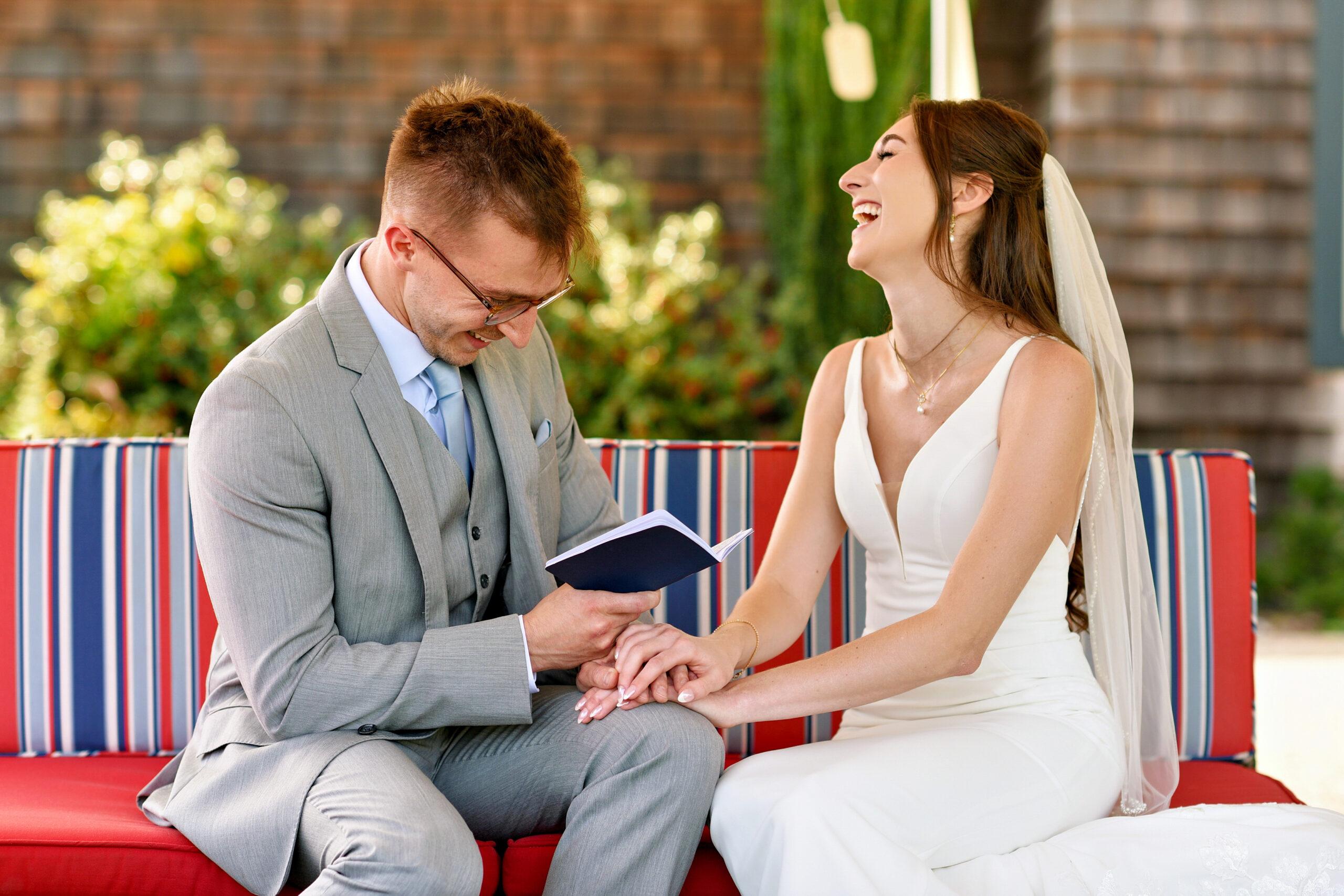
Wedding photography is more than just capturing posed portraits and candid moments—it’s about weaving a narrative that reflects the love, joy, and emotions of the special day. It’s an art form that requires not only technical skills but also the ability to connect with a couple’s story on a personal level. Every wedding holds a unique tale, and as a photographer, your role is to transform these fleeting moments into timeless memories. The photos you take should evoke emotion, preserve the atmosphere, and tell a story that resonates with generations to come.
Mastering the art of storytelling in wedding photography is a delicate balance between creativity, observation, and technical expertise. From capturing the laughter during morning preparations to memorializing the intimacy of the first dance, every detail contributes to the bigger picture. Your goal is to portray a seamless flow of events while highlighting the individuality of the couple and their guests. This guide provides you with 25 essential tips to elevate your storytelling skills. Whether you’re an aspiring photographer or a seasoned professional, these insights will help you hone your craft, ensuring that each wedding you photograph tells a story that’s as unique and beautiful as the day itself.
Why Storytelling Matters in Wedding Photography
Storytelling in wedding photography immerses viewers in the day’s events and emotions. A single photo can freeze a moment, but telling a story through your images creates a seamless narrative that transports couples back to their big day every time they flip through their album.
Great storytelling:
- Captures genuine emotions and candid moments.
- Helps clients relive their day as it happened.
- Sets you apart as a photographer because of your ability to connect moments creatively.
- Highlights the smallest yet meaningful details that might otherwise go unnoticed.
- Establishes a flow that guides viewers naturally through the sequence of events.
- Creates a timeless collection of memories that resonates with couples for years to come.
Now, let’s explore actionable tips to master this craft:
Before the Wedding Day
- Know Their Story
Every couple has a story that is uniquely their own, and as a photographer, it’s your job to bring that narrative to life. Spend time getting to know them on a deeper level. Ask how they met, what brought them together, and what makes their relationship special. By understanding these details, you can frame your work around their personality, emotions, and values, creating images that truly resonate with them.
- Scout the Locations
Understanding the venues where the wedding unfolds is critical to creating visually dynamic photos. Visit the location beforehand, whether it’s a grand ballroom, a lush garden, or a cozy backyard. Study the lighting that varies throughout the day, explore hidden spots for intimate portraits, and identify captivating details that can enhance your storytelling. Familiarity with the setting helps you craft shots that feel organic and connected to the environment.
- Plan Your Shot List
While flexibility and spontaneity are essential for capturing raw, candid moments, having a solid shot list ensures no part of the day gets overlooked. Include milestone moments like the vows, the first kiss, and the parent dances, but also think about in-between moments like laughter during speeches or quiet glances exchanged between the couple. A well-thought-out list gives you a roadmap to follow while leaving room for creativity.
- Communicate with the Couple
Clear communication with the couple helps you understand their priorities and ensures the final gallery reflects their most cherished moments. Ask if they have specific requests, such as capturing custom traditions, surprise performances, or family heirlooms incorporated into their ceremony. Discussing these details allows you to anticipate those moments and prioritize them in your shooting timeline so nothing gets missed.
- Understand Their Vision
Each couple has a distinct vision of how they want their wedding album to look. Some prefer posed, editorial-style portraits, while others lean toward candid, documentary photography. Discuss their preferences during your initial consultations to align yourself with their expectations. Knowing their aesthetic, whether it’s romantic, fun, or dramatic, helps guide your approach and ensures they receive a collection of images that feels authentic to them.
- Meet Their Inner Circle
Weddings are not just about the couple; they’re also about the people who mean the most to them. Take the time to learn who the key individuals are, such as parents, siblings, and close friends. By identifying these important players, you can ensure their emotions and interactions are woven into the wedding story, creating a comprehensive and heartfelt narrative.
- Practice with Your Gear
Confidence with your camera and equipment is crucial when you’re capturing fleeting, once-in-a-lifetime moments. Make sure you’re fully comfortable with all your gear, from adjusting settings to using any additional tools like flashes or lenses. Practicing ahead of time reduces stress on the wedding day, allowing you to focus on creativity and storytelling rather than technical hurdles.
- Bring a Backup Plan
Unforeseen issues can arise at any moment, so having a robust backup plan is non-negotiable. Pack spare batteries, memory cards, and a second camera body to avoid disruptions if something fails. Additionally, consider bringing backup lenses and lighting equipment. These precautions ensure that technical glitches won’t stand in the way of documenting every priceless moment of the couple’s big day.
During the Wedding Day
- Start with the Details
Small details often carry deep meaning for couples, serving as tokens of their love and personality. Capture shots of elements like the bride’s dress, the couple’s rings, invitations, and bouquets. These items set the mood and tone for the day while adding another layer to your storytelling by reflecting the couple’s unique style.
- Shoot the Getting-Ready Moments
The hours before the ceremony are brimming with excitement and raw emotion. Photograph the bride adjusting her veil or the groom sharing a laugh with his groomsmen. Candid shots of these preparations with loved ones create a sense of anticipation and offer an intimate glimpse into this special part of the day.
- Use Emotional Focal Points
Weddings are an emotional whirlwind, and these moments deserve extra focus. Look for a parent wiping away a tear or a heartfelt laugh among friends during a toast. Capturing these raw, genuine reactions infuses your collection of photos with emotion that speaks louder than words, making the story feel real and relatable.
- Blend into the Background
The best wedding storytelling often comes from moments when people don’t know they’re being photographed. Stay unobtrusive, allowing guests to immerse themselves in the celebration. The results are natural, unposed, and authentic images that document the true spirit of the day. Candid photography often reveals the most heartfelt and unique stories.
- Leverage Lighting
Lighting is one of your greatest storytelling tools. Use natural light for soft, romantic portraits during golden hour or enhance emotion by playing with dramatic shadows and highlights at ceremonies. Adjust your approach as lighting changes throughout the day, ensuring your photos capture the atmosphere and mood of each moment perfectly.
- Shoot from All Angles
Don’t limit yourself to one perspective. Whether it’s the bride walking down the aisle or a lively reception dance, photographing from multiple angles enriches your story. A shot of the bride’s entrance from her perspective, then from the groom’s view, provides a fuller emotional dimension that resonates deeply with the viewer.
- Focus on Connections
Weddings thrive on connections between loved ones, and your photos should reflect these interactions. Capture moments like the bride sharing a laugh with her bridesmaids or the couple stealing a knowing glance during their vows. Highlighting these relationships brings a dynamic energy to the narrative, making it more vibrant and personal.
- Capture Quiet Moments
While weddings are often bustling, the quieter moments can evoke just as much emotion. A shot of the bride taking a deep breath before walking down the aisle or the groom straightening his tie tells a nuanced story. These subtle, personal moments balance the high-energy scenes, creating a complete and heartfelt narrative.
- Include Context
Context helps ground the story within its setting. Pulling back for wide-angle shots of the venue, such as the ceremony under an open sky or the reception in a warmly lit hall, creates a sense of scale and atmosphere. Framing your subjects within their environment shows the full backdrop of their special day.
- Document Transitions
Transitions hold significance in a wedding story, representing shifts in emotion and pace. Capture the couple’s joyful walk down the aisle as newlyweds, their move from ceremony to reception, or the spirited send-off. These in-between shots stitch together the day’s moments, forming a cohesive flow and completing the story’s arc.
After the Wedding Day
- Curate Wisely
After the wedding, the process of curation is where the story truly takes shape. Carefully sort through the images, selecting those that capture key moments while maintaining a smooth emotional flow. Choose photos that complement each other and transition seamlessly from laughter to tears to celebration, ensuring the gallery conveys a cohesive, heartfelt narrative.
- Edit for Mood
Post-processing is your opportunity to refine the mood and emotion of the story. Adjust elements like lighting, contrast, and color tones to enhance the overall feel of the images. Whether the wedding vibe is bright and vibrant or moody and romantic, your editing should align with the day’s atmosphere to bring out its unique character.
- Sequence Thoughtfully
The order in which you display the images can elevate the storytelling experience. Treat the gallery or album like a storybook, beginning with the intimate getting-ready moments. Progress naturally through the ceremony and move into the high-energy celebration. A logical and emotional sequence helps viewers relive the day as if they were there.
- Highlight Special Details
Capture the essence of the couple’s personality through the little things. From handwritten love letters to custom table settings, these meaningful details evoke strong memories of the day. Including these elements in the final set of photos lets the couple revisit the thought and care they poured into every part of their wedding.
- Offer a Sneak Peek
Share a few striking images with the couple within 24–48 hours of the event. This quick sneak peek not only keeps their excitement alive but also reassures them that you’ve captured the emotion and essence of their day. It’s a simple yet impactful way to build trust and anticipation for the full gallery.
Ongoing Growth as a Storytelling Photographer
- Study Other Photographers
Great storytelling often begins with inspiration. Follow esteemed wedding photographers or photojournalists whose work captivates you. Observe their use of composition, light, and emotion to tell compelling stories. Think critically about what you admire in their images and experiment with those techniques during your own shoots, adapting them to suit your unique approach.
- Evolve Your Signature Style
Your signature style is what sets you apart in the bustling wedding photography market. Continuously hone your craft by testing new compositions, playing with lighting, and refining post-processing techniques. Over time, these creative explorations will help you develop a distinct storytelling approach, allowing couples to recognize and choose you for your unforgettable artistry.
A wedding is one of the most significant moments in a couple’s life, filled with love, emotion, and countless fleeting memories. Capturing these memories through photography is not just about snapping pictures; it’s about telling a heartfelt story that the couple can relive for decades to come. By honing your craft, staying inspired, and discovering your unique artistic voice, you can create images that evoke genuine emotion and preserve cherished moments. Always remember the importance of connecting with your clients, understanding their story, and using your skills to make their special day unforgettable. Each wedding offers a new opportunity to evolve, grow, and push the boundaries of creativity. When you approach your work with passion, intention, and a desire to tell beautiful, timeless stories, you become more than a photographer—you become a memory maker, ensuring that those precious moments live forever.