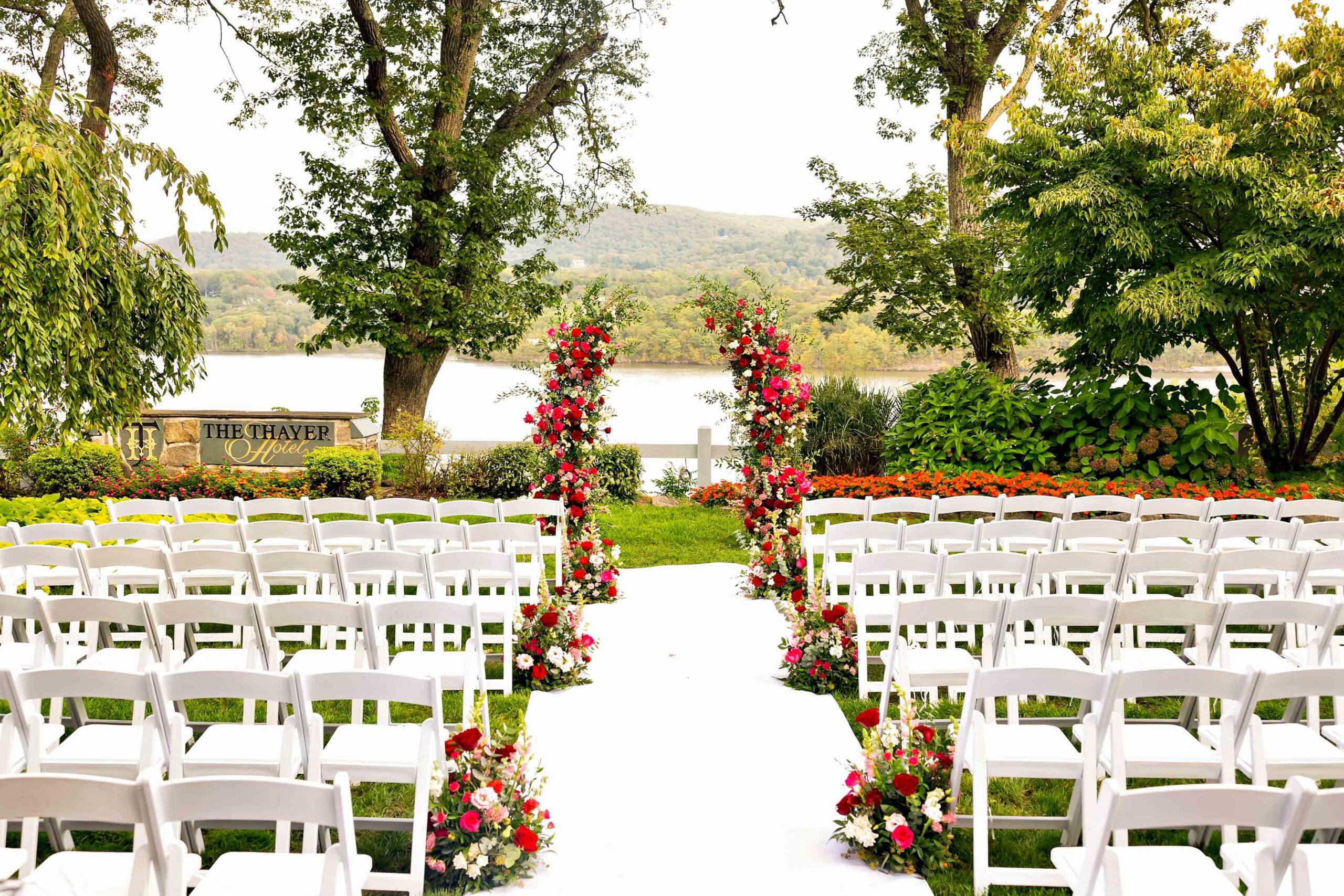
Every wedding tells a story. While the bride, groom, and guests are the main characters, the setting serves as the essential backdrop that brings the narrative to life. Often, in the hustle of capturing emotional vows and wild dance moves, the quiet beauty of the venue gets overlooked. Yet, detail shots—those devoid of people—are crucial for setting the scene and preserving the atmosphere of the day long after the flowers have wilted.
For photographers, these “no-people” shots are the glue that holds a wedding album together. They provide context, color, and texture. for couples, these images serve as a testament to the months of planning and the personal touches that made the day unique. Whether it’s the way the light hits the empty altar or the intricate calligraphy on a place card, these details matter.
This guide explores 25 essential shots to capture around the ceremony and reception venue before the guests arrive and the chaos begins.
The Importance of Setting the Scene
Before diving into the specific shots, it’s worth understanding why these images are so valuable. A wedding album isn’t just a collection of portraits; it’s a visual legacy. The venue details ground the viewer in a specific place and time. They capture the mood—whether it’s a rustic barn filled with wildflowers or a sleek, modern ballroom with architectural lighting.
For photographers, these shots are also excellent for publication. Wedding blogs and magazines love detailed imagery because it inspires future couples. Capturing the decor without people allows the design to shine without distraction.
Here are 25 specific shots to add to your checklist, divided by location and theme.
The Ceremony Site: Where It All Begins
The ceremony space is often the most emotionally charged location of the day. It’s quiet and anticipatory before the guests arrive. Capturing this stillness is powerful.
- The Wide Establishing Shot of the Altar
Before a single guest sits down, get a wide, symmetrical shot of the entire ceremony setup. This establishes the scale of the event. Whether it’s an arch draped in florals or a simple church altar, this image anchors the ceremony coverage.
- Pro Tip: Shoot from a low angle to make the altar look grander and to include more of the ceiling or sky.
- The Aisle Runner and Pew Decorations
Walk down the aisle with your camera. Focus on the aisle markers—whether they are small posies tied to chairs, lanterns, or a custom runner. This perspective mimics the bride’s upcoming walk and highlights the path she will take.
- Pro Tip: Use a shallow depth of field (f/2.8 or lower) to focus on the first decoration while blurring the rest of the aisle for a dreamy effect.
- The Reserved Signs
Often, couples place “Reserved” signs on the front rows for family. These are frequently custom-made and match the wedding stationery. They are a small but significant detail that honors the closest family members.
- Pro Tip: If the signs are wooden or acrylic, try to catch a reflection or the texture of the material.
- The Ceremony Program Stack
A neatly stacked or fanned-out pile of ceremony programs offers a glimpse into the day’s events. It also showcases the typography and design choices the couple made.
- Pro Tip: Place a single flower or a ring box near the programs to add a pop of color and scale.
- The Empty Chairs
There is something poetic about rows of empty chairs waiting to be filled. This shot represents anticipation. It works particularly well with interesting chair designs, like Chiavari chairs or rustic wooden benches.
- Pro Tip: Look for patterns. The repetition of chair backs can create a visually satisfying geometric image.
- Natural Elements and Landscapes
If the ceremony is outdoors, don’t ignore the environment. Is there a giant oak tree shading the guests? A view of the ocean? Mountain peaks in the distance?
The Cocktail Hour: The Transition
Cocktail hour bridges the gap between the solemn ceremony and the festive reception. The details here are often fun, relaxed, and centered around food and drink.
- The Custom Signage
From “Welcome” easels to “Unplugged Ceremony” signs or cheeky bar menus, signage is a huge part of modern weddings. These are often hand-lettered or custom-printed and deserve a solo shot.
- Pro Tip: Shoot these straight on to avoid distortion, making the text easy to read.
- The Signature Drinks
Before the bar gets crowded, ask the bartender to pour two of the signature cocktails. Place them on the bar top or a tray. The colors of the drinks and the garnishes (like a sprig of rosemary or an edible flower) add vibrancy to the gallery.
- Pro Tip: Backlight the drinks if possible to make the liquids glow and look more refreshing.
- The Escort Card Display
This is often a major design focal point. Whether it’s a wall of champagne flutes, hanging tags, or a traditional table layout, the escort card display guides guests to their seats.
- Pro Tip: Get a wide shot of the whole display and then a macro shot of a specific name card—perhaps the bride’s or groom’s parents.
- The Appetizer Trays
Food photography is an art in itself. Capture a pristine tray of hors d’oeuvres before they are circulated. Close-ups of intricate canapés show the quality of the catering.
- Pro Tip: Focus on the texture of the food—the crunch of a bruschetta or the gloss of a glazed meatball.
- The Lounge Area
Many couples rent vintage furniture or set up cozy lounge areas for guests. These setups often look like a stylish living room in the middle of a field or hall.
- Pro Tip: Stand on a chair or ladder to get a high-angle shot that shows the layout of the rugs, sofas, and coffee tables.
The Reception: The Main Event
The reception space is where the couple typically spends the most money on decor. From linens to lighting, there are hundreds of details to document before the doors open.
- The Grand Room Shot
Just like the ceremony, you need an establishing shot of the reception room. This should be done the moment the florists are finished but before guests enter. It shows the full impact of the design.
- Pro Tip: Turn on all the reception lighting (chandeliers, uplighting, candles) to capture the true ambiance of the room.
- The Sweetheart Table
The table for the bride and groom is usually the most decorated. It often features a unique centerpiece, special chairs, or a backdrop. This is a VIP detail shot.
- Pro Tip: Shoot from the front to capture the “Mr. & Mrs.” signs or chair decor, but also shoot from behind the chairs looking out at the empty guest tables to see the couple’s perspective.
- Centerpieces and Florals
Floral arrangements vary from table to table. Be sure to capture the different styles—low lush arrangements, tall dramatic vases, and garland runners.
- Pro Tip: Focus on the freshness of the blooms. If there are water droplets on the petals, even better.
- The Place Setting (Flat Lay)
This is a classic editorial shot. Photograph one perfect place setting from directly above. Include the charger, dinner plate, napkin, menu, and silverware.
- Pro Tip: Ensure the silverware is perfectly straight. Misaligned forks can be distracting in a symmetrical shot.
- The Menu Card
Menus are often tucked into napkins or placed on chargers. They detail the culinary experience guests are about to enjoy.
- Pro Tip: If the menu has gold foil or letterpress texture, use side lighting to make the text pop off the paper.
- The Wedding Cake
The cake is an architectural marvel that won’t last the night. Photograph the entire cake, but also get close-ups of the sugar flowers, the piping, and the topper.
- Pro Tip: Find a clean background. If the cake is in a messy corner, try to shoot it with a wide aperture to blur out the exit signs or fire extinguishers behind it.
- The Dessert Table
If there isn’t a traditional cake, or if there’s a supplemental dessert bar (donuts, macarons, pies), capture the abundance.
- Pro Tip: Shoot at eye level with the treats to make them look inviting and plentiful.
- Table Numbers
Table numbers help guests find their spots, but they also tie into the theme. Whether they are wooden blocks, agate slices, or framed photos, they are a key detail.
- Pro Tip: Compose the shot so the table number is sharp, with the centerpiece softly blurred in the background.
- Favors
Small gifts for guests are often placed at each setting or on a separate table. Close-ups of these tokens show the couple’s gratitude.
- Pro Tip: Group a few favors together to create a sense of repetition and abundance.
- The Lighting Fixtures
Don’t forget to look up. Chandeliers, string lights, and custom projections transform a space. Lighting sets the mood, and capturing the fixtures helps explain the atmosphere in the final album.
- Pro Tip: Use a starburst filter or a small aperture (like f/16) to turn light sources into sparkling starbursts.
- Textures and Linens
Not all details are objects; some are surfaces. The texture of a velvet tablecloth, a sequin runner, or a rustic wooden farm table adds tactile depth to the visual story.
- Pro Tip: Get extremely close (macro territory) to show the weave of the fabric or the grain of the wood.
The Exterior and Architecture
Finally, step outside the immediate event spaces to capture the venue itself. The couple chose this location for a reason, and architectural shots honor that choice.
- The Venue at Sunset (Golden Hour)
When the light is golden and soft, grab a shot of the venue’s exterior. This warm light makes any building look welcoming and romantic.
- Pro Tip: This is great for a transition shot in a wedding album, signaling the move from day to evening festivities.
- The Venue at Night
Once the sun goes down, step outside again. A night shot of the venue with light spilling out of the windows looks cozy and inviting. It implies the warmth and party happening inside.
- Pro Tip: Use a tripod. You will need a longer exposure to capture the building clearly while keeping the sky a deep, rich blue (during blue hour) or black.
- Architectural Details
Does the venue have a historic crest above the door? Detailed stonework? Stained glass windows? Vines climbing a trellis? These permanent features are part of the venue’s character.
- Pro Tip: Treat these shots like fine art architecture photography. Focus on lines, symmetry, and contrast.
Why These Shots Matter for Your Portfolio
For photographers, consistency in capturing these 25 shots does more than just please the current client. It attracts future clients and vendors.
When you share a beautifully lit shot of a floral centerpiece on Instagram and tag the florist, you are building a relationship. That florist is likely to share your work, exposing you to a new audience. Venues love “no-people” shots for their brochures and websites because they sell the space, not the specific couple. By providing these images, you become a valuable partner to the entire vendor team.
For couples, these images serve as a permanent record of fleeting moments. The cake gets eaten, the flowers die, and the rentals are returned. But the photos remain. They remind you of the atmosphere, the style, and the care put into every decision.
Execution: How to Get It All Done
Capturing 25 specific no-people shots might sound daunting on a tight timeline. The key is planning.
- Arrive Early: Add 30 minutes to your arrival time specifically for venue details.
- Bring a Second Shooter: While the lead photographer is with the couple, the second shooter can focus entirely on reception details before the room is touched.
- Communicate: Talk to the planner or venue coordinator. Ask them when the ceremony and reception spaces will be “camera ready” so you can swoop in before the guests.
By prioritizing these shots, you ensure a comprehensive, beautiful, and atmospheric retelling of the wedding day. The people bring the emotion, but the details set the stage. Don’t let them fade into the background.