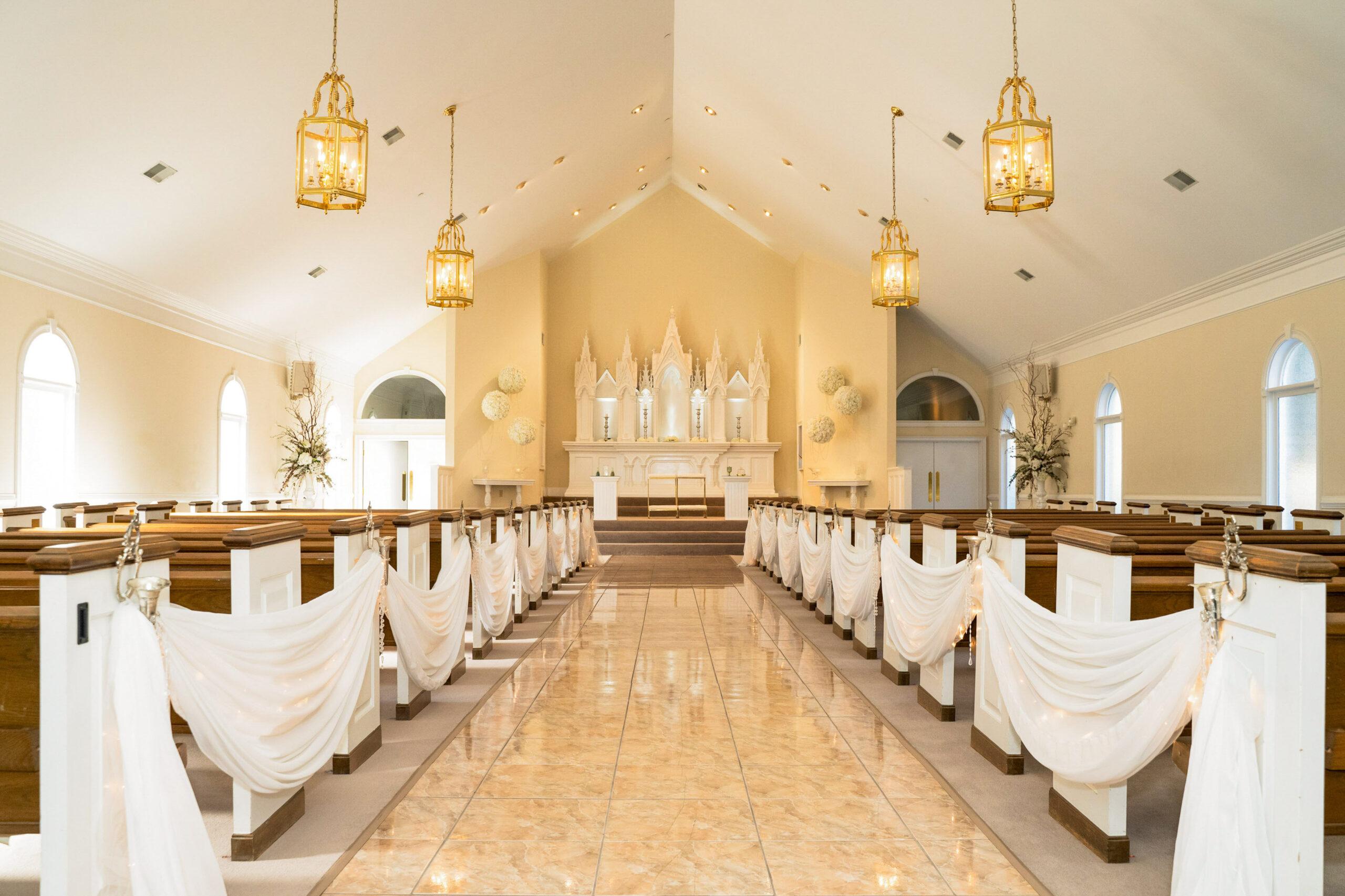
Photographing a wedding is a unique and profound responsibility. It’s about more than taking pictures; it’s about capturing the essence of a couple’s love story and preserving their most cherished moments. When that story unfolds within the walls of a church, the responsibility becomes even greater. Churches bring a sense of history, grandeur, and spirituality to the ceremony. Their soaring ceilings, intricate details, and stained-glass windows not only create a stunning backdrop but also add depth to the emotions shared within them.
Each church wedding tells a story intertwined with faith, tradition, and love. For us as photographers, being invited to witness and document such an intimate event is an incredible privilege. Every exchange of vows, every glance, and every quiet moment under the soft glow of stained glass carries meaning and reverence. Capturing these moments requires a balance of technical precision, artistic vision, and respect for the sacred atmosphere.
This guide represents years of experience and lessons learned, thoughtfully compiled to support you on your own photographic journeys. Within its pages, you’ll find insights, inspiration, and practical advice to help you honor the beauty and challenges of church wedding photography while telling each couple’s story with authenticity and care.
Before the Wedding Day: Preparation is Key
Proper planning is the foundation of a seamless and stress-free wedding day. It’s how we honor the couple’s trust in us.
Visit the Church in Advance
Whenever possible, visit the church before the wedding day. Aim to go at the same time as the scheduled ceremony to observe how natural light shifts. Use the opportunity to map out potential shooting spots, evaluate the space, and identify any challenges. This preparation lays the groundwork for smooth, confident execution.
Meet the Officiant or Coordinator
Take time to introduce yourself to the officiant or wedding coordinator. This small gesture fosters goodwill and professionalism while opening a dialogue about any specific rules or guidelines. Ensure your communication is respectful, demonstrating your commitment to honoring their space and ensuring the ceremony unfolds without interruptions.
Clarify the Rules
Each church has unique photography guidelines you must respect. Ask detailed, specific questions like where you can stand, if flash is allowed, and whether movement is permissible during the ceremony. Additionally, inquire about any sacred moments where photography is prohibited. Clear communication minimizes misunderstandings and prevents unintentional disruptions.
Scout for Light
Carefully analyze how light interacts with the church space. Observe where sunlight falls through windows and how artificial lighting impacts the overall ambience. Understanding these factors helps you anticipate camera settings, positioning, and opportunities to use light creatively, ensuring your images capture the mood and beauty of the setting.
Plan Your Key Shots
Mentally walk through the ceremony and prioritize key moments you’ll capture, such as the bride’s entrance, vows, ring exchange, first kiss, and recessional. Having a clear shot list ensures no significant moment is missed, even if the day becomes hectic. Adapt as needed but keep your priorities in mind.
Pack the Right Gear
Choose your gear based on your scouting session. A 70-200mm f/2.8 lens lets you capture intimate moments from a distance, while a 24-70mm f/2.8 works for group shots and varied compositions. Prime lenses (35mm or 50mm, f/1.4 or f/1.8) excel in low light, creating dynamic, high-quality images in dim environments.
Consider Silent Shutter Mode
Many modern mirrorless cameras offer silent shutter modes, which are invaluable during church ceremonies. The lack of shutter noise ensures you can photograph subtle, emotional moments without causing distractions or breaking the silence. Using this feature demonstrates thoughtful professionalism and respect for the sacred atmosphere of the service.
During the Ceremony: Capturing the Essence
This is where your preparation pays off. Your goal is to be a quiet observer, capturing authentic moments as they unfold.
Capture the Grandeur
Begin with sweeping wide shots to highlight the breathtaking architecture of the church. Whether it’s the soaring ceilings, intricate altars, or vibrant stained-glass windows, these elements are an integral part of the wedding story. Use a tripod for stability, and compose carefully to create images that radiate beauty and significance.
Focus on Emotion
Amidst grand backdrops, the small, emotional moments capture the heart of the day. Look for the way a tear traces a cheek, the squeeze of a hand during vows, or a parent’s proud smile. These fleeting yet powerful gestures tell the authentic story of love and connection in the ceremony.
The Bride’s Entrance
The bride’s entrance is a show-stopping moment filled with anticipation. Position yourself to capture the groom’s reaction when he sees his bride for the first time. A second shooter can simultaneously photograph her walk down the aisle, ensuring you capture both perspectives of this emotional apex without missing a beat.
Vary Your Angles
If movement is allowed, explore varied perspectives to enrich your compositions. A low-angle shot can emphasize the height and grandeur of the church, while a balcony view gives a striking overview of the ceremony. These dynamic angles create visual interest and amplify the storytelling of the day.
The Vow and Ring Exchange
The exchange of vows and rings embodies the essence of the ceremony. Use a long lens to zoom in on their hands exchanging rings or their faces as they speak. Maintain distance to respect the couple’s space, ensuring your presence feels unobtrusive while capturing these meaningful, heartfelt moments.
Use Natural Light Creatively
Natural light is a powerful tool in church photography. Pay attention to how light streams through stained-glass windows or arches. Use it to softly illuminate the couple, enhancing their features, or position them to create dramatic silhouettes. These effects deepen the emotional resonance and artistry of your compositions.
The First Kiss
The first kiss is a fleeting yet iconic moment. Prepare in advance by setting your camera’s exposure and focus beforehand. Position yourself for a clear view of the couple and use continuous shooting mode to ensure you capture the exact instant when their kiss marks the start of their married life.
The Recessional
The recessional is filled with post-ceremony joy and relief as the couple walks down the aisle. Capture their exhilaration alongside the cheers, clapping, and confetti of the guests. A wide-angle lens can document the celebratory atmosphere, while close-ups showcase the radiant expressions of the newlyweds.
Candid Moments of Guests
Guests’ reactions provide a human, relatable element to the wedding story. Photograph their spontaneous emotions, from joyful tears to boisterous laughter. These candid moments add depth and context, illustrating how the couple’s love extends to their community. Capture genuine interactions during key moments like the vows, recessional, and celebratory hugs.
After the Ceremony: The Formal Portraits
With the ceremony complete, you often have a limited window for formal portraits. Your earlier scouting will be a lifesaver.
Altar Portraits
The altar serves as a timeless backdrop, often rich with symbolism and intricate design. Use this sacred setting to frame elegant family portraits or capture intimate moments between the couple. Ensure your composition balances the couple’s expressions with the grandeur of the backdrop, amplifying both the beauty of the setting and their connection.
Utilize Stained-Glass Windows
Stained-glass windows provide vibrant lighting that adds artistry to portraits. Position the couple where the colored light softly casts over them, creating a dreamy, ethereal effect. Experiment with angles to capture the way the hues interact with their expressions or attire, resulting in truly one-of-a-kind, painterly photographs.
The Pews Shot
The pews, symbols of steadfast tradition, offer a perfect setting for intimate portraits. Seat the couple holding hands or in quiet conversation. The symmetry of the aisle creates a natural leading line, drawing attention to their shared moment of reflection and love while emphasizing the tranquil atmosphere of the church.
Balcony View
A balcony shot can give you a unique perspective that emphasizes the grandeur of the church interior. Capture sweeping views of the couple standing at the altar or walking down the aisle. This elevated angle adds depth and drama, transforming a simple position into an unforgettable moment of storytelling.
The Church Entrance
The church entrance provides an iconic setting for grand portraits. Frame the couple with the majestic doors and historic architecture, highlighting their significance as a gateway to this new chapter of their lives. Capture wide shots for context and close-ups for a more intimate, emotional appeal in this classic setting.
Get Creative with Details
Churches are often treasure troves of artistic details. Take close-ups of organ pipes, candleholders, stone textures, or carved motifs to add depth to your storytelling. Incorporate these details thoughtfully alongside couple portraits to connect their moments to the rich history and character of the sacred space.
A Quiet Moment of Prayer
A prayerful moment for the couple can yield some of the most poignant photographs. Suggest a seated or kneeling pose, their hands intertwined or heads bowed in reflection. Use a shallow depth of field to focus on their expressions, letting the reverence and emotion of this spiritual connection shine through.
Play with Silhouettes
Using church windows or doors as backlit stages, create dramatic silhouette portraits of the couple. Position them so their profile or stance is framed by the grand architectural elements. These striking images emphasize form and space, lending a timeless quality to the couple’s presence within the scene.
Technical Tips for a Flawless Execution
Your gear is your tool; your artistry is what brings the images to life.
Master High ISO
Don’t hesitate to push your camera’s ISO when photographing in dimly lit churches. Modern DSLR and mirrorless cameras handle high ISOs remarkably well, enabling you to maintain image quality with minimal noise. Prioritize a sharp image over a blurry one, as grain can add character and is far easier to manage in post-production.
Wide Aperture is Your Friend
A wide-aperture lens, such as f/1.4 or f/2.8, is invaluable for church weddings. These lenses allow more light to hit the sensor, letting you use faster shutter speeds and lower ISOs in challenging lighting. Additionally, the shallow depth of field they provide enhances your ability to isolate emotional, intimate moments beautifully.
Steady Your Hand
Churches often restrict tripods, so mastering steadiness is crucial. Brace yourself against walls or pillars for added stability during slower shutter speeds. If allowed, consider a monopod, which offers mobility and support while remaining unobtrusive. These techniques help ensure sharp shots without compromising the sanctity of the venue or the mood.
Bounce Flash if Allowed
If flash use is permitted, always opt for a subtle, flattering effect. Instead of pointing your flash directly at the couple, tilt it to bounce off a light, neutral-colored ceiling or wall. Using tools like a bounce card can further diffuse the light, creating soft, natural tones that preserve the ambient atmosphere.
Every church wedding is a unique and sacred story, deeply rooted in tradition, emotion, and the faith of those present. Each ceremony brings with it a profound atmosphere that cannot be replicated elsewhere. The ornate architecture, with its towering arches and intricate details, combined with the natural light filtering through the stained-glass windows, creates a setting that is nothing short of breathtaking. These elements speak volumes, not only enhancing the aesthetics of the day but also reflecting the couple’s love, hope, and commitment. For photographers, every detail becomes an opportunity to craft timeless, artful imagery that tells a deeply personal story.
Approaching church weddings with reverence and care is essential. These are not simple events to document but sacred milestones in a couple’s life. Take the time to understand the traditions and rituals that are meaningful to the couple and their families. Prepare by scouting the church prior to the ceremony to familiarize yourself with its layout and lighting. Whether anticipating how sunlight will pour through windows or planning quiet ways to position yourself during key moments, preparation lays the foundation for success. These thoughtful efforts enable you to create imagery that not only preserves the day but honors its spirit and significance.