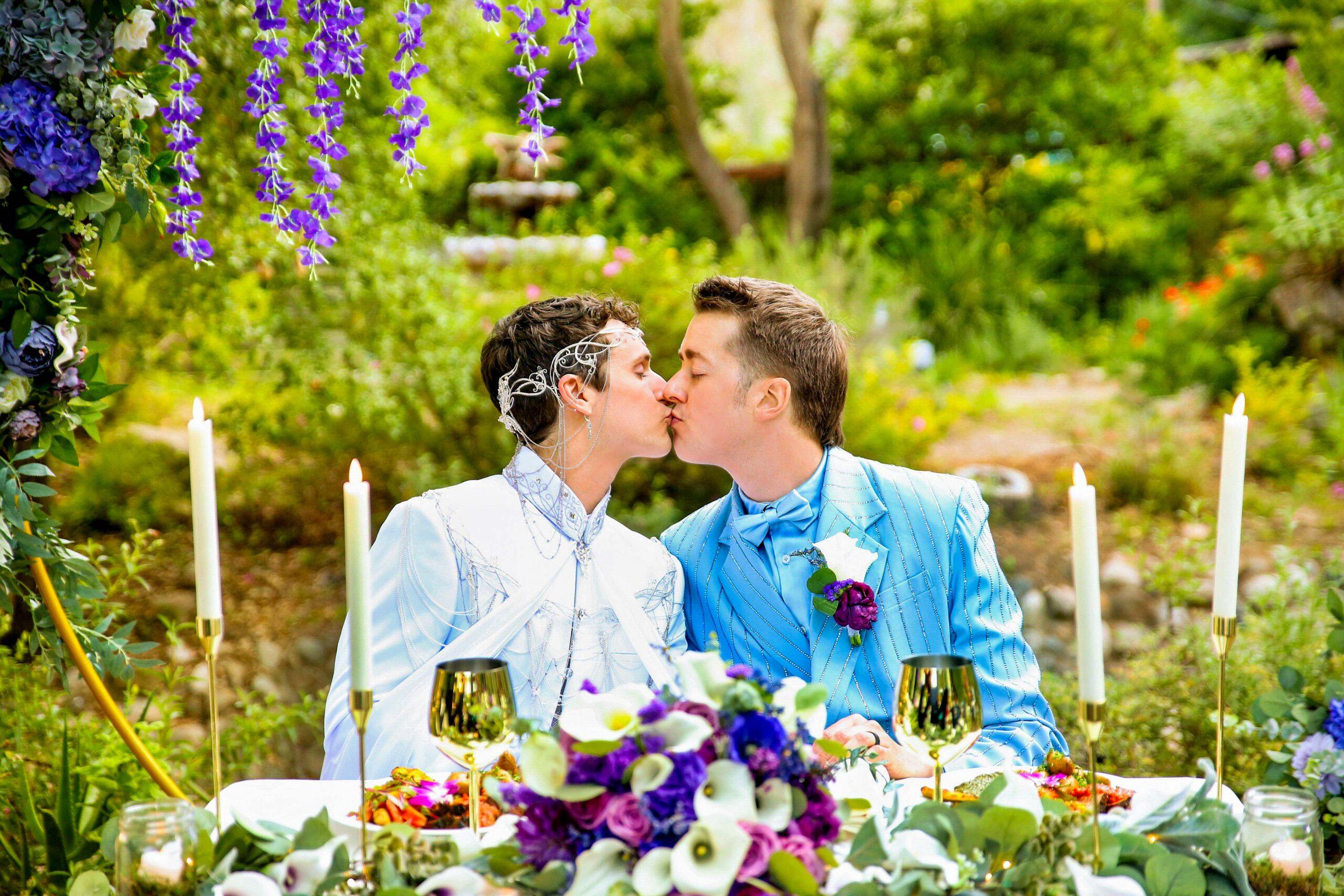
Capturing a wedding is about telling a unique love story, and every story deserves to be told with respect, authenticity, and beauty. As photographers, our role extends beyond simply taking pictures; we are entrusted with preserving the deeply personal and joyous moments of a couple’s most important day. For LGBTQ+ weddings, this responsibility carries an added layer of importance. Understanding the nuances, sensitivities, and specific dynamics of these celebrations is key to creating a comfortable environment and a stunning gallery that truly reflects the couple’s bond.
Moving beyond traditional assumptions and embracing a more inclusive mindset will not only make you a better photographer but also a more sought-after ally in the wedding industry. This guide offers thirty practical tips to help you approach LGBTQ+ weddings with confidence, sensitivity, and the creative skill to capture love in its purest form.
Communication and Preparation
The foundation of a great client experience is clear and respectful communication. These initial steps set the stage for a successful and comfortable wedding day.
- Use Inclusive Language from the Start
Your first impression matters. Ensure your website, contact forms, contracts, and initial emails use gender-neutral language. Instead of “bride and groom,” use terms like “couple,” “partners,” or “spouses.” Ask for their preferred pronouns on your intake forms and use them consistently. This simple step shows you are a thoughtful and inclusive professional.
- Don’t Make Assumptions
Never assume anything about your clients’ roles, identities, or preferences. Two brides might not both wear dresses. Two grooms might have different comfort levels with public displays of affection. The best approach is to ask open-ended questions like, “What are you both planning to wear?” or “What are your names for each other?”
- Have a Detailed Pre-Wedding Consultation
This is crucial for any wedding, but especially for LGBTQ+ couples. Use this time to understand their story, what is most important to them about their wedding day, and any specific concerns they might have. Ask about their families and the dynamics you should be aware of. This conversation builds trust and helps you tailor your approach.
- Ask About Their “Wedding Party”
Avoid using terms like “bridal party” or “groomsmen” unless the couple uses them first. Instead, ask about their “wedding party,” “honor attendants,” or “crew.” Clarify who the key people are and their relationship to the couple so you can be sure to capture those important connections.
- Discuss Comfort Levels with PDA
Public displays of affection can be a sensitive topic. Some couples are very open, while others may be more reserved, especially in front of family or in public spaces. Have an open, non-judgmental conversation about their comfort level. Ask, “How do you typically show affection? What feels natural for you both?” This ensures you don’t push them into poses that feel inauthentic or uncomfortable.
- Clarify Family Dynamics and Terminology
Family structures can be diverse. Ask how they refer to their parents and other key family members. Some individuals may have chosen family who are just as important as biological relatives. Understanding these relationships helps you capture the full scope of their community and support system.
Posing and Direction
Directing your clients should feel collaborative and natural, not forced. The goal is to move beyond rigid, gendered poses and focus on genuine connection.
- Ditch the Gendered Posing Guide
Traditional wedding photography often relies on poses based on height differences and gender roles (e.g., the groom “dipping” the bride). Throw that guide out. Focus on your couple’s connection, energy, and body language. Create poses based on their unique dynamic, not on outdated templates.
- Focus on Connection, Not Convention
Direct your couples with prompts that encourage genuine interaction. Instead of “Now, you stand here and you stand there,” try prompts like:
– “Tell your partner what you were thinking the first time you met them.”
– “Whisper your favorite thing about them.”
– “Walk together and bump hips every few steps.”These prompts create natural smiles, laughter, and tender moments.
- Use “Leading and Following” Instead of “Masculine and Feminine”
In poses that require one person to take a more dominant stance, think in terms of “leading” and “following” energy. This is not tied to gender. Anyone can lead a pose. You can even ask, “Who is the big spoon in the relationship?” to get a playful sense of their dynamic.
- Vary the Posing Dynamic
If you have two people in dresses or two in suits, be creative. Let each partner have moments of being the focus. For example, in one shot, one partner can embrace the other from behind, and in the next, they can switch roles. This creates balance and showcases both individuals equally.
- Pose Based on Height and Wardrobe
Use practical elements like height and clothing to guide your posing decisions. If one partner is taller, you can naturally position them in a way that creates a pleasing composition. If someone is wearing a flowing dress or a sharp suit, use that to your advantage to create drama and movement.
- Create Poses That Feel Powerful and Equal
Frame your couples to reflect their partnership as a union of equals. Poses where they stand side-by-side, walk toward the camera together, or mirror each other’s stances can be incredibly powerful. Avoid poses that inherently place one person in a subordinate or delicate position unless it aligns with their specific dynamic.
Capturing Authentic Moments
The most memorable photos are often the unposed, candid ones. Here’s how to anticipate and capture them.
- Pay Attention During the “Getting Ready” Process
The getting-ready portion of the day is full of emotion. With two brides or two grooms, you have double the opportunity. If they are getting ready separately, consider having a second shooter. Capture the details—the cufflinks, the tying of a bow tie, the final touch of makeup—as well as the interactions with their wedding party.
- Document the “First Look” with Sensitivity
A first look can be incredibly emotional. Give the couple space to have their moment. Use a long lens to capture their reactions without being intrusive. Whether it’s two brides seeing each other’s dresses or two grooms sharing a quiet moment before the chaos, this is a cornerstone of their story.
- Capture the Reactions of Loved Ones
The ceremony is not just about the couple; it’s about the community celebrating them. Pay close attention to the faces in the crowd—parents tearing up, friends beaming with joy. These reaction shots add depth and emotion to the final wedding gallery.
- Don’t Miss the Details
LGBTQ+ couples often put a great deal of thought into personalizing their day. Look for details that tell their story: custom cake toppers, rainbow-themed elements, or subtle nods to queer culture. These small details are often deeply meaningful.
- The Aisle Can Look Different
There are no rules for how the couple comes down the aisle. They might walk together, be escorted by different family members, or meet halfway. Be prepared for any scenario by discussing it with them beforehand. This moment is a powerful symbol of their journey.
- Focus on Hands
Hands can tell a powerful story. Capture photos of their hands holding during the ceremony, exchanging rings, or resting on each other’s backs. These simple, intimate shots are often favorites because they convey connection without needing to show faces.
Technical and Creative Tips
Elevate your photography with technical skill and a creative eye tailored to the unique opportunities of an LGBTQ+ wedding.
- Master Your Lighting for All Attire
Two white dresses can be a challenge for exposure, as can two dark suits. Be prepared to manage high-contrast scenes. Know how to expose for the highlights to retain detail in the dresses or meter for the shadows to ensure the suits don’t become black blobs. Using off-camera flash can help you control the light beautifully.
- Use a Second Shooter
For weddings with two primary subjects getting ready in different locations, a second shooter is invaluable. It ensures you don’t miss key moments and provides a different perspective throughout the day. It also allows one photographer to focus on the couple while the other captures candid guest reactions.
- Look for Symmetrical and Asymmetrical Compositions
With two similar outfits, you have a unique opportunity for creative compositions. Play with symmetry by posing the couple in mirrored stances. Alternatively, create dynamic asymmetry by placing them at different depths or angles within the frame.
- Capture Individual Portraits
While the day is about them as a couple, be sure to take stunning individual portraits of each person. This is their wedding day, and they both deserve to be celebrated and feel amazing. These shots are often cherished by their partner and family.
- Think Like a Storyteller
Your final gallery should tell a story from beginning to end. Sequence your images in a way that builds emotion. Start with the quiet anticipation of getting ready, move to the emotional peak of the ceremony, the joy of the reception, and the quiet, intimate moments in between.
- Be an Ally on the Day Of
Your role can sometimes extend to being a protective barrier for your clients. If you encounter a vendor or a member of the public who is disrespectful, be prepared to step in politely but firmly. Shielding your couple from negativity allows them to stay present and joyful.
Post-Production and Business Practices
Your work isn’t done when the wedding is over. How you present the photos and run your business matters.
- Blog and Share with Intention
When you share photos from an LGBTQ+ wedding, tell their story. Use their names and correct pronouns. Highlighting their wedding on your blog and social media not only celebrates them but also signals to other LGBTQ+ couples that you are a safe and welcoming vendor.
- Avoid Using “LGBTQ+ Wedding” as a Label in Your Portfolio
Integrate images from all weddings seamlessly into your portfolio. Don’t create a separate gallery labeled “LGBTQ+ Weddings.” The goal is to normalize and show that love is love, and you are equipped to capture it for everyone. Your portfolio should reflect the diversity of your clients naturally.
- Ask for Feedback
After delivering the final gallery, consider sending a feedback form. Ask about their experience, from the initial contact to the wedding day itself. This can provide valuable insights into how you can improve your services and be an even better ally.
- Educate Yourself Continuously
The language and nuances of the LGBTQ+ community are always evolving. Follow educators, activists, and other queer-friendly wedding professionals. Stay informed and be open to learning. This commitment to education will make you a more conscious and respectful photographer.
- Build a Network of Inclusive Vendors
Actively seek out and build relationships with other inclusive vendors, from planners and florists to venues and DJs. Being able to recommend a network of allies provides immense value to your clients and helps ensure their entire wedding experience is positive.
- Remember the “Why”
Finally, remember why you are doing this. You have the honor of documenting one of the most significant days in two people’s lives. Approach every wedding, regardless of the couple’s orientation or gender identity, with empathy, respect, and a genuine desire to capture their unique love story. That is the true golden rule.
Capturing LGBTQ+ weddings goes beyond technical skill; it requires empathy, respect, and a commitment to inclusivity. By implementing these thirty tips, photographers can create an environment where every couple feels seen, celebrated, and comfortable. From inclusive language and thoughtful posing to being a supportive ally on the day and showcasing their love authentically in your portfolio, each step contributes to a more equitable and beautiful wedding industry. Remember, every love story is valid and deserving of being told with integrity and artistry. Embrace the opportunity to honor these unique narratives, and you’ll not only capture stunning images but also build lasting relationships based on trust and genuine connection.