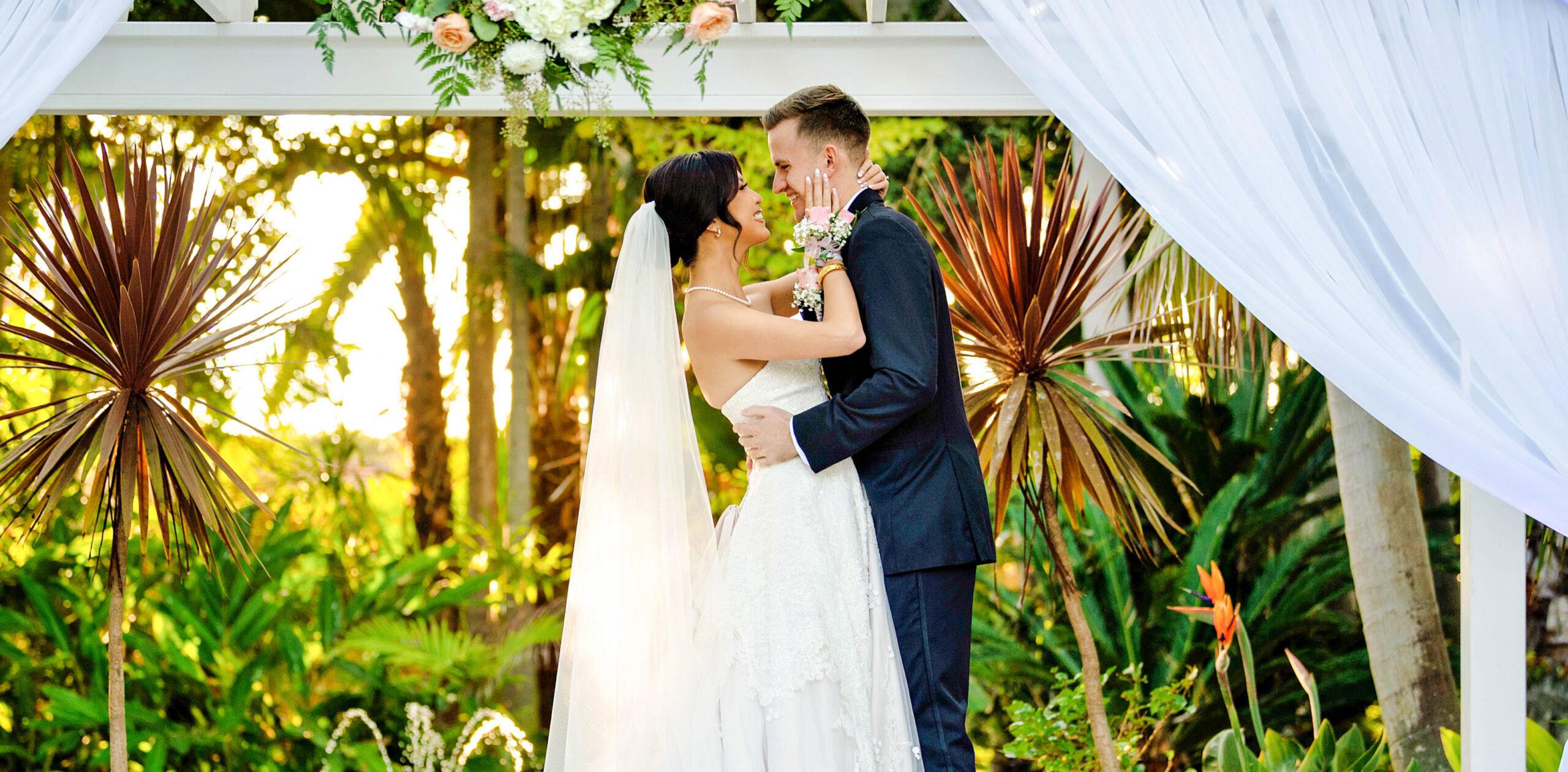
Late summer weddings possess an unmistakable magic, brought to life by the season’s gentle transition from long, warm days to crisp, golden evenings. The natural scenery glows with richness, featuring lush greenery edged with the first hints of autumn. Flowers are at their fullest, and the air is vibrant with the promise of new beginnings. This fleeting window gives photographers an incredible canvas, but it also presents unique challenges that only thoughtful planning and creative technique can overcome.
At the heart of unforgettable wedding images are two fundamental elements: lighting and composition. In late summer, the quality of light constantly evolves—soft and golden at dusk, vivid and contrasty at midday, and dreamy with the onset of blue hour. Knowing how to harness this ever-changing light is crucial for capturing the authentic emotions, intricate details, and stunning landscapes that define the day. Equally important is strong composition, which transforms moments into lasting art by thoughtfully framing subjects and scenes.
Whether you’re a seasoned wedding photographer or just stepping into the world of wedding shoots, understanding the interplay of light and composition will elevate your work. This guide offers 27 actionable tips designed to help you fully harness the magic of late summer weddings and tell each couple’s story with creativity and heart.
Whether you are shooting your first wedding or your five-hundredth, mastering the environment is essential. Late summer lighting moves quickly, and knowing how to compose your shots on the fly ensures you never miss a critical moment. This guide breaks down exactly how to use natural light, frame your subjects, and incorporate the beautiful late-summer landscape into your wedding photography.
Here are 27 practical lighting and composition tips to help you elevate your late summer wedding galleries.
Chasing and Shaping the Light
Lighting is the foundation of every breathtaking wedding portrait. Late summer offers some of the most dynamic lighting conditions of the year.
- Maximize the Extended Golden Hour
Late summer skies often offer a beautifully extended golden hour, thanks to the sun’s lower angle as the season progresses. This provides photographers with a longer window of soft, flattering, golden light—ideal for romantic portraits. Schedule the couple’s session to begin about an hour before sunset, and keep shooting right through to dusk. By doing so, you’ll capture the evolving tones and magical ambiance that set late summer evenings apart in every frame.
- Backlight for Romantic Silhouettes
As the sun lowers in the sky, use it to your creative advantage by positioning it directly behind your couple. This setup allows you to expose for the bright sky, which transforms the couple into a crisp, striking silhouette. Highlight the unique contours of the wedding dress, veil, and even the couple’s embrace. The resulting image feels dramatic and timeless, capturing both emotion and artistry in one unforgettable late summer frame.
- Use Sun Flare Intentionally
Allow a touch of sunlight to enter your lens rather than blocking it out completely with a lens hood. By positioning the sun at the edge of your frame, you’ll capture a gorgeous, warm haze—a signature sun flare that radiates an ethereal glow. This effect adds dreamy softness and a romantic atmosphere, beautifully echoing the spirit of late August and early September weddings. Use sun flare intentionally to elevate simple portraits into something truly magical.
- Diffuse Harsh Afternoon Sun
Wedding schedules rarely align perfectly with the best light, and you may find yourself shooting portraits under the harsh midday sun. In these situations, seek out open shade, such as areas beneath large trees with thick canopies or on the shadowed side of the wedding venue. This strategy helps diffuse the strong overhead light, reducing unflattering shadows and keeping skin tones smooth and even. Use shade creatively to maintain a flattering, soft look in challenging lighting.
- Bounce Light with Natural Reflectors
When shooting in open shade, pay attention to your surroundings—surfaces like light-colored concrete, gravel, or even sandy walkways make excellent natural reflectors. These surfaces bounce soft, diffused light upward, gently eliminating shadows under your subjects’ eyes and chin, resulting in flattering, luminous portraits. If possible, position your couple so that this reflected light illuminates their faces, adding a beautiful, natural glow. This simple technique keeps skin tones even and reduces post-processing work later.
- Embrace Dappled Light for Artistic Shots
Dappled light, created when sunlight filters through leaves, can present challenges for traditional portraits, often casting uneven shadows across faces. However, this type of lighting is perfect for more artistic shots, especially when focusing on smaller details. Try placing items such as the bridal bouquet, wedding rings, or shoes in these patches of dappled light. The contrast and texture created can bring a creative twist to your macro images, offering visually striking, memorable detail photos.
- Shoot Blue Hour Portraits
Do not pack up your gear as soon as the sun sets. The 20 minutes following sunset, known as blue hour, offers a cool, moody light. Use a low shutter speed or a tripod to capture the couple against the deep indigo sky, creating a striking contrast to the warm golden hour photos.
- Look for Directional Window Light
While getting ready, position the bride or groom near a large window. Turn off all artificial overhead room lights to avoid mixed color temperatures. Let the soft, directional natural light from the late summer morning rake across their face for a classic, moody portrait.
- Master the Rim Light
During golden hour, place the couple against a dark background, like a dense line of trees, with the sun behind them. The light will catch the edges of their hair and clothing, creating a glowing outline or “rim light” that separates them beautifully from the dark background.
Creative Composition and Framing
How you arrange the elements within your frame dictates the story your image tells. Use these composition techniques to create compelling, dynamic photos.
- Frame Within a Frame
Use architectural or natural elements to create a frame around the couple. Archways, low-hanging tree branches, or even an open doorway draw the viewer’s eye directly to the subjects. This adds depth and a sense of intimacy to the photograph.
- Emphasize Leading Lines
Look for paths, fences, or long shadows created by the late afternoon sun. Position your camera so these lines guide the viewer’s eye straight toward the couple. This technique works exceptionally well for wide environmental portraits.
- Use the Rule of Thirds for Landscapes
Late summer landscapes are often breathtaking. When shooting wide portraits, place the couple on the left or right third of the frame rather than dead center. This allows you to showcase the beautiful venue or natural scenery alongside the subjects.
- Get Low for a Heroic Angle
Crouch down and shoot from a lower angle, especially when working with tall grass or dramatic skies. This perspective makes the couple look majestic and allows you to use the sweeping late summer sky as a clean, dramatic backdrop.
- Shoot Through Foreground Elements
Add depth to your images by holding an object close to your lens. Shoot through the leaves of a nearby bush, a handful of tall grass, or even a glass prism. This softly blurs the foreground, framing the sharply focused couple in the distance.
- Capture Movement and Flow
Late summer often brings gentle evening breezes. Ask the couple to walk slowly, or have the bride twirl her dress. Keep a fast enough shutter speed to freeze the action, or slow it down slightly to capture the romantic, dynamic flow of the fabric in the wind.
- Fill the Frame with Emotion
Step back from the wide scenic shots and use your telephoto lens (like an 85mm or 70-200mm) to fill the entire frame with the couple’s faces. Cropping out the environment entirely forces the viewer to focus purely on the raw emotion and connection between the subjects.
- Utilize Negative Space
Sometimes, what you leave out of the frame is just as important as what you include. Place your subjects in the bottom corner of the frame, leaving the rest of the image filled with a clear blue sky or a massive, textured wall. Negative space isolates the couple and highlights their intimacy.
- Experiment with Symmetrical Framing
While the rule of thirds is a staple, dead-center symmetry creates powerful, formal portraits. Place the couple perfectly in the middle of a symmetrical architectural feature, like an aisle or a grand staircase, to create a balanced, highly satisfying image.
Integrating Natural Elements and Details
Late summer is a season of abundance. Incorporating the environment makes your photos feel grounded in the specific time and place of the wedding.
- Incorporate Late Summer Blooms
Sunflowers, dahlias, and zinnias peak in late summer. If the venue has gardens, use these vibrant blooms as foreground blur or background texture. They add brilliant pops of color that instantly identify the season.
- Highlight the Changing Foliage
In late August and September, some trees begin their transition. Look for hints of yellow and orange in the leaves. Framing the couple against these early autumn colors bridges the gap between the seasons and adds warm tones to your images.
- Utilize Tall Grasses and Wheat Fields
Fields of tall, dried grass or wheat are a late summer staple. Place the couple walking through the field, and shoot from a distance. The neutral, golden tones of the grass naturally complement the warm light and make the subjects stand out.
- Capture the Harvest Details
Pay attention to the seasonal elements the couple included in their decor. From fruit adorning the wedding cake to deep, rich floral arrangements, getting close-up macro shots of these details helps tell the complete story of their late summer celebration.
- Embrace the Water
If the venue is near a lake or ocean, use it. Water reflects the magnificent late summer sunsets beautifully. Have the couple stand near the edge of the water to capture both the vibrant sky and its reflection, effectively doubling the visual impact of the sunset.
- Look for Dust and Atmosphere
Dry late summer days often mean dusty country roads or fields. If the couple is driving away in a vintage car, or walking down a dirt path, let the dust kick up. When the backlight hits the dust, it creates a magical, cinematic atmosphere.
- Play with Shadows
As the sun drops, shadows grow incredibly long. Instead of focusing on the couple, focus on the shadows they cast on the ground or a nearby wall. Photographing their elongated silhouettes holding hands offers a creative, artistic alternative to a traditional portrait.
- Feature the Evening Sky
Late summer clouds often form dramatic, sweeping patterns. Switch to a wide-angle lens (like a 24mm or 35mm) to capture the vastness of the sky above the couple. Expose for the clouds to retain all the dramatic texture and color.
- Document the Twilight Transition
As the reception begins, string lights and lanterns turn on while a faint glow remains in the sky. Balance the ambient natural light with the warm, artificial venue lights. This captures the exact moment the lively daytime celebration transitions into a cozy, romantic evening party.
Capturing the enchantment of late summer weddings requires a thoughtful blend of creative vision and technical skill. The unique beauty of this season lies not only in its lush landscapes and changing light, but also in the opportunities it gives photographers to craft images filled with warmth, emotion, and seasonal detail. By embracing the full spectrum of lighting—from glowing golden hour to moody blue hour—you unlock a palette that brings every heartfelt moment to life. Purposeful use of composition techniques, like framing, leading lines, negative space, and the interplay of foreground and background, guide the viewer into the story behind each image and spotlight the couple’s connection.
Do not be afraid to step away from traditional poses. Experiment with foreground elements, play with harsh shadows, and let the specific mood of the season guide your artistic choices. Take these 27 tips into your next late summer wedding, adapt them to your unique style, and watch as your images capture the true, fleeting magic of the season.