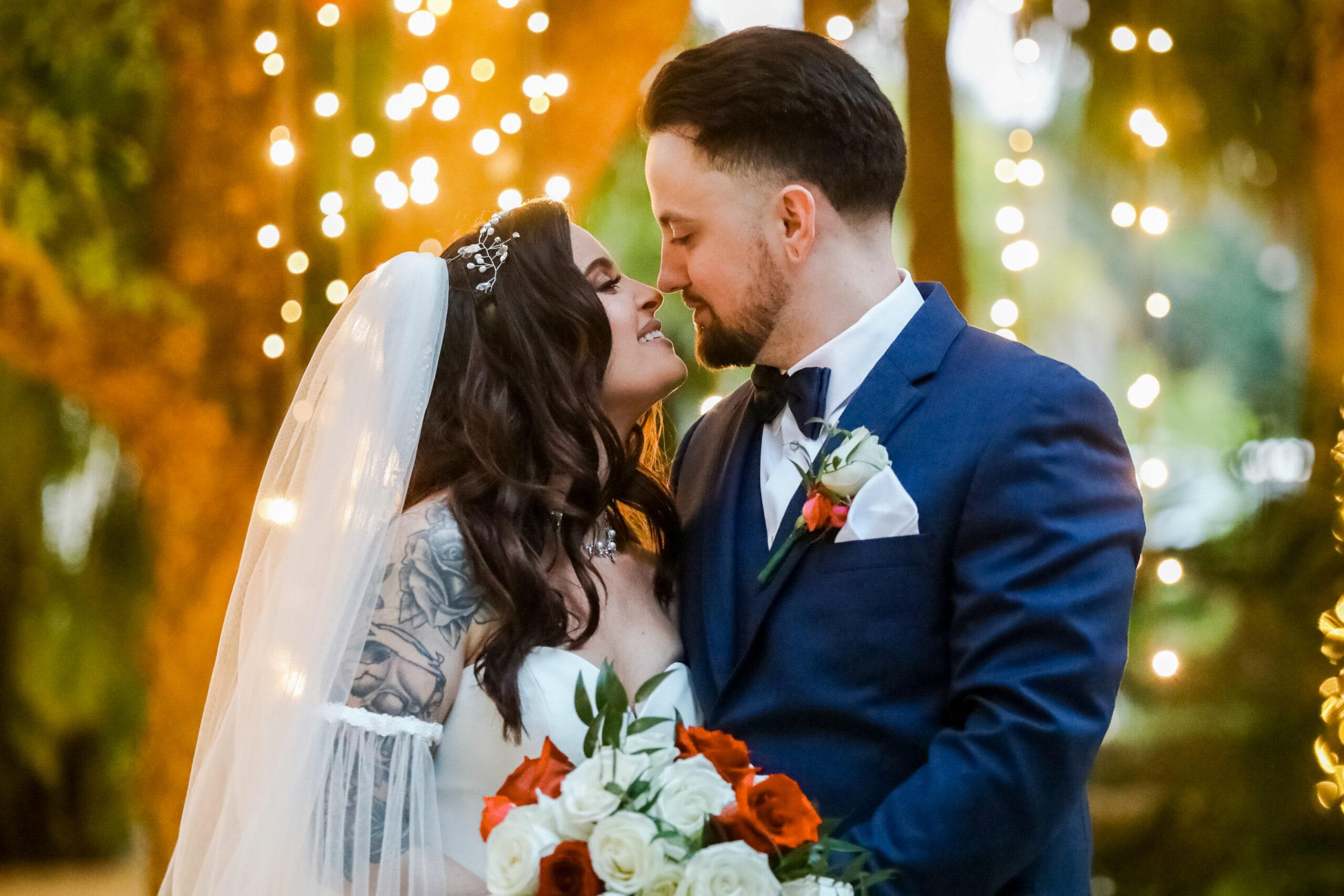
The bokeh effect is one of the most captivating aspects of photography, transforming ordinary images into stunning visual artistry. Derived from the Japanese word “boke,” meaning blur, this technique refers to the aesthetic quality of the out-of-focus areas in a photograph. Whether you’re a budding photographer or a seasoned professional, mastering bokeh can significantly elevate your work. It not only enhances depth and dimension but also draws attention to your subject, creating visually striking compositions. The soft, dreamy backgrounds produced by bokeh are particularly popular in portraiture, macro photography, and even creative product shots. However, achieving the perfect bokeh effect requires a combination of technical skill, the right equipment, and a solid understanding of composition. This guide will introduce you to some essential techniques that will help you harness the magic of bokeh and turn your photographs into captivating works of art.
What is the Bokeh Effect?
The term “bokeh” comes from the Japanese word “boke,” meaning blur or haze. The bokeh effect refers to the aesthetic quality of the out-of-focus parts of an image, particularly how light appears in the blurred background. Unlike simple background blur, bokeh enhances the visual appeal of elements like light orbs, making them appear as soft, rounded shapes. This artistic element is created using a shallow depth of field to emphasize your subject while creating a mesmerizing background. For wedding photographers, bokeh is particularly powerful—it accentuates the couple or subject while casting the background into an enchanting, dreamlike blur.
Benefits of Bokeh for Wedding Photography
Bokeh effect photography is more than just pretty pictures. Here’s why it’s an essential technique for wedding photographers:
Draws Attention to the Subject
With the background gently melted into a blur, bokeh ensures the focus stays solely on the couple, highlighting their expressions, emotions, and overall presence in the frame.
Creates Romantic Atmosphere
Wedding photos are all about capturing the love and tenderness of the day. Bokeh helps achieve that soft, magical vibe by adding a surreal quality to the photos.
Simplifies Busy Backgrounds
Wedding venues can often be busy and cluttered. Whether it’s a garden with distracting foliage or a room filled with decorations, bokeh simplifies the composition and reduces distractions.
Helps Incorporate Lighting Elements
String lights, candles, or even natural sunlight can turn into beautiful bokeh orbs, enhancing the dreamy feel of your photos.
27 Techniques to Master the Bokeh Effect in Wedding Photography
Now that we understand its significance, here’s a step-by-step guide to achieving the perfect bokeh effect for your photos:
Shoot with a Wide Aperture
To create that sought-after shallow depth of field, shoot with a lens offering a wide aperture, such as f/1.2, f/1.4, or f/2.8. A wide aperture allows more light to hit your sensor, brightening your image while softening the background. This technique beautifully isolates your subject, making it stand out crisp and clear against a dreamy, blurred backdrop.
Use Prime Lenses with Low f-Stops
Prime lenses with low f-stops, like a 50mm f/1.8 or the professional-grade 85mm f/1.4, significantly enhance bokeh. Their fixed focal length ensures sharper results compared to zoom lenses. These lenses create a creamy, artistic background separation, ideal for portraits. For example, an 85mm f/1.4 lens can effortlessly produce a professional, ethereal feel in images.
Choose Long Focal Lenses
Using telephoto lenses, such as an 85mm or 135mm, amplifies the depth and blur in your composition. These lenses can isolate your subject using compression, even if they’re farther away. For instance, wedding portraits captured with a 135mm lens deliver stunning results, focusing sharply on the couple while transforming the background into beautifully softened layers.
Position the Subject Against Light Sources
Place your subject against points of light like fairy lights, a sunset, or even candles for creative bokeh effects. The light transforms into beautiful circular orbs, adding visual interest to the background. This trick works wonders in festive or evening shoots, turning ordinary lights into an enchanting backdrop while keeping the focus on the subject.
Increase Distance Between Subject and Background
Maximizing the distance between your subject and the background is a simple yet effective way to enhance bokeh. For example, place your subject a few meters in front of a tree line or a building. The greater the distance, the softer and creamier the blur becomes, ensuring your subject remains the focal point without competing distractions.
Bring the Camera Close to the Subject
By reducing the distance between your lens and the subject, you can dramatically enhance the background blur. This technique works wonderfully for close-ups, like flower petals or facial features, as it shifts the focus plane. The result is an intimate, visually striking shot with a beautifully softened backdrop.
Experiment with Foreground Bokeh
Creative bokeh isn’t confined to the background. Introduce reflective or sparkling elements, like fairy lights or glass ornaments, into the foreground for added depth and texture. For instance, holding string lights near your lens produces dreamy, glowing blurs that frame your subject, creating a multi-dimensional, artistic composition.
Utilize Reflective Backgrounds
Reflective surfaces add a stunning layer of texture and sparkle to your bokeh. Sequined backdrops, flowing satin, or metallic elements used during weddings or events can produce dynamic patterns of light. These materials reflect highlights in unique ways, ensuring your background is visually engaging without stealing the focus from your subject.
Add Rain or Water Effects
Photographing through rainy windows or surfaces with water droplets creates an ethereal quality. Raindrops can scatter light, forming delicate bokeh patterns. Alternatively, shooting water reflections during golden hour adds a shimmering, dream-like effect. These natural elements enhance storytelling by combining artistry with an organic, atmospheric touch.
Use the Right Aperture Blades
Lens construction influences bokeh quality. Lenses with rounded aperture blades yield smooth, circular bokeh, which appears softer and more seamless. On the other hand, lenses with angular blades may create polygonal highlights, which feel less fluid. When aiming for the most pleasing bokeh, ensure your lens is equipped with high-quality, rounded blades.
Focus on Composition
Strong composition is key to compelling photography, even when incorporating bokeh. Apply the rule of thirds by placing your subject off-center for a balanced look. Use bokeh to enhance, not compete with, the subject. For instance, subtle background blur can soften distractions, ensuring focus remains on your subject’s emotion or details.
Experiment with Shapes
Get creative by using custom lens filters or templates to craft unique bokeh shapes like stars, hearts, or initials. Cut these shapes into a piece of paper and place it over your lens. This technique adds personality to photos, making it ideal for capturing milestones like weddings or festive moments.
Shoot Against Fairy Lights
Fairy lights are a timeless prop for producing classic bokeh. Position them in the background, ensuring adequate distance from your subject to turn the lights into glowing orbs of enchantment. This technique works wonders for wedding or holiday photos, where the golden lights elevate the dreamy, romantic atmosphere.
Try Backlit Portraits
Backlighting your subject can produce stunning results when paired with bokeh. Position your subject against a light source like the sun or string lights at dusk. This creates a luminous silhouette with soft, glowing halos, adding depth and drama to your portraits. Perfect for sunset or outdoor wedding photos.
Use Portrait Mode on Camera or Smartphones
Modern smartphones and cameras equipped with Portrait Mode offer amazing artificial bokeh effects. This feature automatically detects and isolates the subject, applying a gorgeous blur to the background. While it doesn’t mimic a wide aperture exactly, it’s an easy, accessible way to achieve professional-looking results without specialized gear.
Macro Magic
Using a macro lens allows you to capture intricate details like wedding rings, floral arrangements, or textures up close. These lenses focus at short distances, creating beautiful close-ups with soft, creamy bokeh in the background. Pairing this technique with a wide aperture (e.g., f/2.8) further emphasizes the depth and detail.
Capture Silhouettes with Bokeh
Silhouettes set against a backdrop filled with bokeh create dramatic and captivating images. For example, position the couple against twinkling lights or a setting sun, ensuring the background is properly blurred. Silhouettes add mystery and elegance, making them an excellent choice for artistic shots during weddings or other events.
Edit with Bokeh Overlays
Even if you couldn’t achieve bokeh in-camera, you can add it during post-processing. Tools like Adobe Photoshop or Lightroom allow you to layer bokeh effects onto your images. These overlays can be subtle or bold, enhancing romantic shots with sparkling detail and adding that dreamlike quality photographers often aim for.
Test Shutter Speed Adjustments
Low-light bokeh photography, such as during evening wedding shoots, often requires careful adjustments to your shutter speed and ISO. Slower shutter speeds can gather more light, but remember to stabilize the camera with a tripod. This technique works beautifully with candles, fairy lights, or cityscapes in the background.
Test Out Different Distances
Adjusting your distance from the subject and background significantly influences your bokeh. For example, move closer to the subject while maintaining distance from the background for dramatic blur. Whether shooting tight portraits or full-body photos, experiments with positioning ensure the bokeh enhances the image without overpowering the subject.
Highlight Details with Selective Bokeh
Draw attention to key wedding elements, like the bridal bouquet or groom’s boutonniere, by using selective bokeh. A fast prime lens, paired with a wide aperture, lets you sharply frame the details while artistically softening the background. This approach highlights the subject’s importance while adding elegance to your photos.
Leverage Window Reflections
Indoor shoots present creative bokeh opportunities with window reflections. Position your subject near glass surfaces while harnessing outdoor light or city lights as the backdrop. These reflections create abstract patterns of blur, adding sophistication and depth. It’s a subtle, effective trick for creating visually captivating compositions.
Use Props to Enhance Creativity
Props like glass prisms, crystal balls, or even champagne glasses can take bokeh to a new level. These objects bend and scatter light into unique patterns, creating artistic highlights that frame or complement your subject. Experiment by holding the prop in front of your lens to transform ordinary scenes into magical ones.
Experiment with Vintage Lenses
Explore vintage lenses such as the Helios 44-2 for distinctive bokeh effects. Many older lenses produce unique patterns, like swirls or soft halos, adding a timeless quality to your images. These manual lenses may require more effort to focus, but the creativity they unlock makes them a worthwhile investment for artistic shots.
Frame Your Subject Using Bokeh
Use bokeh creatively to frame your subject. Blurred foliage, a doorway, or a trellis can create natural borders, guiding the viewer’s eyes to the subject. For example, shooting through branches softens the scene while maintaining focus on the couple, adding both depth and visual interest to your composition.
Mix Colors for Depth
Blend warm and cool light sources to elevate your bokeh. For instance, combine golden fairy lights with blue or purple LEDs in the background. This multicolored approach adds richness and depth, creating an engaging, layered effect. It’s perfect for evening events or creative portraits needing a dynamic pop of color.
Practice, Practice, Practice
Becoming skilled at creating bokeh comes with consistent experimentation. Test different lens settings, light sources, and distances to refine your technique. Shoot at various times of day and in diverse environments to master how lighting transforms bokeh. With time, you’ll develop an instinctive understanding of what works best for your style.
Making your wedding photography truly unforgettable involves mastering techniques like bokeh and understanding how to creatively manipulate lighting, framing, and colors. Every shot is an opportunity to capture not just moments, but the emotions and atmosphere of a once-in-a-lifetime event. By experimenting and combining different approaches, you can create images that evoke memories and tell a story worth cherishing forever.
Remember, mastery comes with practice and a willingness to explore unique perspectives. Whether it’s using natural elements to frame your subjects or incorporating layered lighting for dynamic effects, each choice contributes to the overall magic of your work. Most importantly, strive to connect with the couple’s vision and emotions to craft images that feel personal and timeless. Wedding photography is more than capturing pictures—it’s about preserving joy, love, and celebration. With dedication and creativity, your photos can bring their special day back to life for years to come.