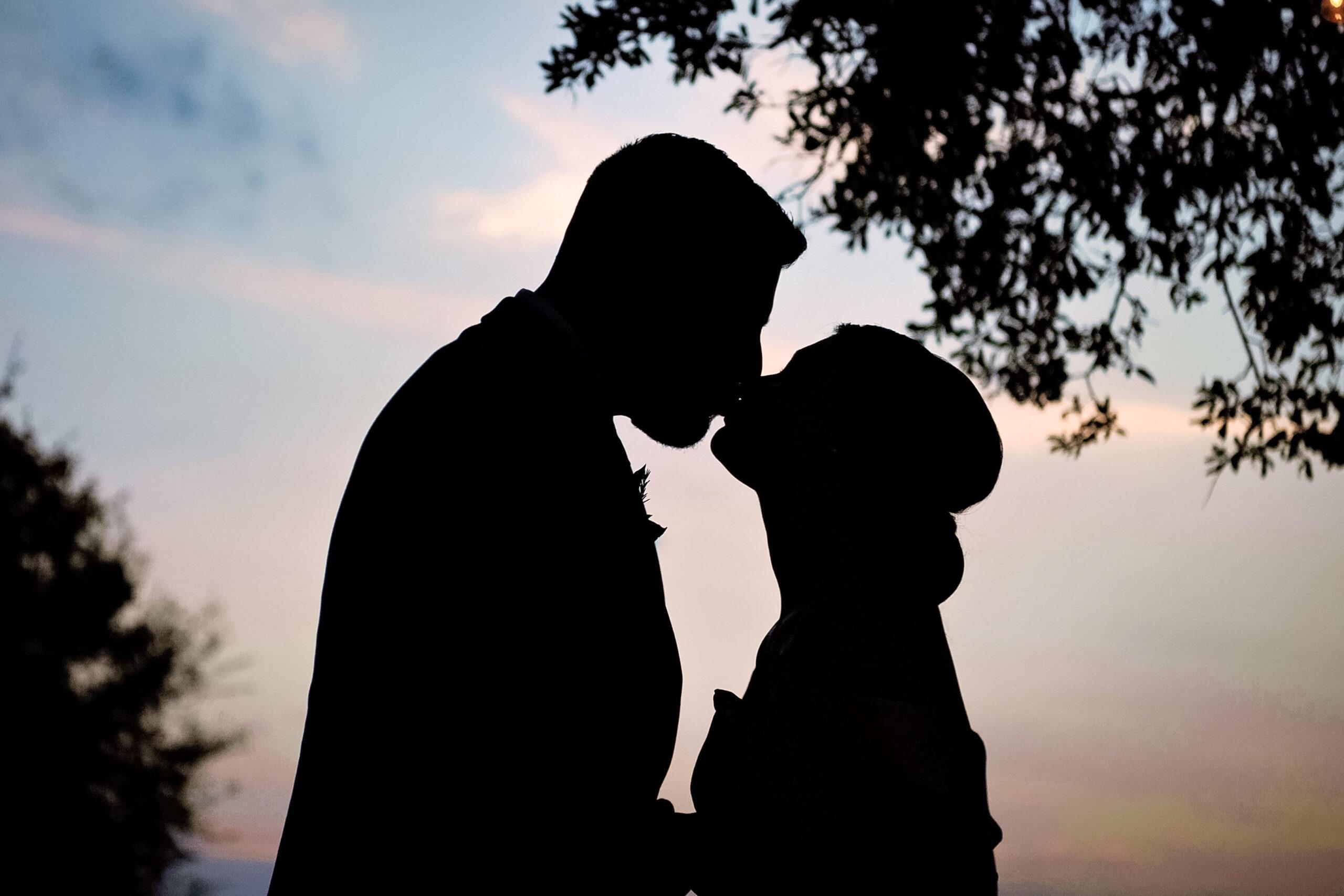
Shadow photography is a nuanced art that can profoundly elevate your wedding photography portfolio. As a seasoned photographer, you know that light is the lifeblood of your craft. Equally, the interplay of light and shadow can transform an ordinary image into one that whispers quiet emotion, exudes cinematic drama, or captures fleeting beauty in its purest form. Every shadow tells a story, and understanding how to manipulate and harness these pockets of contrast opens a realm of creative opportunities for your work.
When it comes to wedding photography, shadow photography ideas are not just about creating visually striking images, it’s about deepening the narrative. A silhouette of the bride caught in tender sunlight, long shadows stretching over a textured floor, or the faint shadowy outline of a couple wrapped in an intimate moment, all of these draw out emotion, mystique, and intimacy.
But achieving this level of sophistication requires skill, intent, and a keen understanding of how to use shadows to your advantage. That’s why this blog is designed for you. Here, we’ve compiled 26 carefully curated tips to help you master shadow photography. From perfecting silhouette photography to balancing artificial lighting with natural shadows, these insights will refine your expertise and inspire fresh perspectives. By the time you finish reading, you’ll have a toolkit of strategies to craft breathtaking shadow-inspired compositions that leave lasting impressions.
1. Utilize the Golden Hour for Dramatic Shadows
Golden hour photography, with its soft, directional light, is ideal for crafting dramatic wedding photography shadows. Position your couple where the low-angled sunlight casts long shadows, emphasizing depth and romance. Use this time to shoot silhouettes or highlight intricate dress textures through shadow play. The soft glow of the golden hour provides an unrivaled opportunity for creative shadow compositions that elevate the storytelling element of your wedding portfolio.
2. Shape Shadows with Architectural Elements
Look for architectural features like window frames, arches, or latticework to create unique shadow patterns on your subjects. These urban photography ideas add a touch of artistry to the frame, ideal for bridal portraits or couple shots. Position the bride or groom strategically so that soft or hard shadows fall across the scene subtly, enhancing depth and dimension. Use wedding venue features as a natural light modifier to elevate your wedding shadow photography to creative new heights.
3. Master Silhouettes to Evoke Emotion
Silhouettes are an iconic part of shadow photography and work beautifully in wedding photography to express intimacy and emotion. Position the couple against a bright background, like the setting sun, and meter the exposure for the highlights, ensuring the shadows are rich and dark. This technique transforms love-filled moments into captivating visual art, perfect for heartfelt wedding storytelling.
4. Leverage Negative Space for Minimalistic Shots
Negative space photography combined with shadows creates stunning minimalistic photo compositions while keeping the couple as the focal point. Use a clean, uncluttered background and directional light to craft dynamic, high-contrast shadow designs. This technique amplifies the elegance of wedding portraits and directs the viewer’s attention to the most essential elements.
5. Experiment with Hard Light for Bold Shadows
Hard light is often underestimated in wedding photography but can generate dramatic shadows when used intentionally. Place your subject under sharp, direct light, like the midday sun or an unfiltered artificial source, to add contrast and highlight silhouettes or veil textures. Shape bold shadows alongside crisp highlights to create edgy, editorial wedding portraits. Ensure proper exposure by shooting in RAW to refine highlights and shadows in post-processing for maximum impact.
6. Use Reflective Surfaces Creatively
Mirrors, polished floors, and glass windows are excellent tools for adding unique reflections and shadow layers to your composition. Reflective surface shadows add depth and sophistication, making your couple stand out while surrounding them with beautifully balanced shadow elements that visually frame their love story within the scene.
7. Enhance Depth with Long Shadows
Long shadows are a powerful way to add depth to your wedding photographs. Shoot during early morning or late afternoon when the sun is closer to the horizon. Position your couple along the light’s path, letting their shadows stretch across textured landscapes. This technique works especially well for venue photography and couple portraits, adding layers of storytelling through intricate, elongated shadow patterns.
8. Frame the Couple with Light and Shadow
Use shadow to create natural framing around the newlyweds. Look for settings where light naturally filters through objects like foliage, doorways, or patterned elements, casting beautiful borders. Adjust your angle to incorporate these shadows as dynamic frames, surrounding the couple with poignant focus.
9. Use Textures and Patterns for Artistic Impact
Wedding shadow photography thrives on patterns like light filtering through lace veils, foliage leaves, or fences. Position light sources behind textured objects in venues to create dramatic patterns on your subjects. This approach works seamlessly for wedding detail shots like wedding ring photos or shoes and adds an element of creativity to standard bridal portraits.
10. Dramatic Black-and-White Editing for Shadows
When editing wedding photos, convert shots with striking shadows into black and white to emphasize contrast and texture. Maintain the balance between highlights and dark tones to preserve depth. Black and white photo editing style adds elegance and timelessness to your portfolio while focusing on the interplay of light and shadow that defines an unforgettable wedding moment.
11. Play with Directional Light for Dynamic Shadows
Mastering directional light allows you to sculpt shadows and create dynamic compositions in wedding portraits. Position your couple so the light strikes at an angle, casting shadows that highlight facial features or attire details. Directional lighting enhances the depth and mood of your wedding photography and ensures every shadow element accentuates the visual narrative of the couple’s story.
12. Incorporate Gobo Lighting for Creative Effects
Gobos, or “go-betweens,” are perfect tools for adding unique shadow shapes to a wedding scene. Use objects like foliage, lace, or custom-cut templates to create captivating shadow designs on the couple or background. Place the gobo between your light source and subject and adjust its position to vary shadow intensity. Gobos introduce intricate details that add artistry to your images, making this advanced shadow photography technique a must-have in your wedding photography repertoire.
13. Introduce Texture with Side Lighting
Side lighting enhances textures and details in wedding elements such as lace fabrics or floral arrangements. Position the light source directly to one side of your subject to cast delicate shadows that accentuate surface details. This approach is ideal for capturing close-ups of bridal veil photos, rings, or even the physical connection between the couple.
14. Focus on Shadow Isolation for Artistic Compositions
For a bold and modern aesthetic, isolate shadows against a plain background, allowing them to stand alone as the main subject. Use minimalistic settings and hard light to create clean, defined shadow shapes. This technique can highlight wedding accessories like bouquets or shoes, giving them a dramatic flair.
15. Use Indoor Spaces to Create Contrast
Indoor wedding venues are excellent for producing high-contrast shadow effects. Look for areas with dramatic lighting, such as through stained glass windows or chandeliers. Position your couple where light meets shadow to create bold contrasts, drawing focus to their form or expressions.
16. Experiment with Dual Shadows for a Unique Twist
Dual shadows can add an intriguing visual effect to wedding photography. Use two light sources angled differently to create overlapping shadows behind your subjects. Keep the light distances varied to achieve soft and hard shadow combinations for a layered effect. This approach works wonderfully for full-length bridal portraits or couple shots, adding a sense of dynamism and creativity.
17. Capture Silhouettes Through Transparent Materials
Enhance silhouette portraits by shooting through transparent materials like curtains or stained glass, adding a layer of artistry to the shadows. Position the bride or groom close enough to the material to define their shadow clearly while incorporating the texture of the surface.
18. Use Shadow Gradients for Soft Transitions
Shadow gradients, achieved by using diffused light sources or sheer fabrics, offer smooth transitions between light and dark areas. Position the couple near partially filtered light to create soft, romantic gradients that add tenderness to the frame. This technique is particularly effective for capturing emotional moments during ceremonies or dances, emphasizing a timeless quality in your wedding photography while maintaining a sense of intimacy.
19. Align Shadows with Symmetry for Balance
Seek symmetrical patterns in architectural features or natural surroundings to align shadows within your frame. Position your subjects to complement the symmetry, balancing the composition while using the shadows as framing elements. Symmetrical shadow compositions are especially stunning for group shots or wide-angle venue captures, ensuring your portfolio stands out with intricate balance and creativity.
20. Use Natural Shadow Frames for Organic Feel
Look for natural elements like tree branches, fences, or florals to create shadow frames around your subjects. Place the couple within the shadow edges for a cohesive, organic composition. Natural shadow framing is a subtle yet powerful photo technique to blend artistic storytelling with a sense of place, enriching the emotional landscape of your wedding photography.
21. Utilize Shadow Patterns from Natural Elements
Find inspiring shadow patterns cast by natural elements like tree leaves, flower petals, or grasses. Position the couple so these intricate patterns fall gently on their faces or attire. Incorporating such organic shadow patterns uniquely enhances the scene, providing natural, artistic decor to the composition and adding storytelling depth to your wedding photo collection.
22. Capture Layered Shadows in Multi-Light Settings
During evening receptions, use multi-light sources to capture layered shadows, such as those created by chandeliers or candlelight against walls. Pair these ambient lights with a carefully placed flash to freeze the couple amid these rich layers. This technique adds complexity to the visual composition, portraying the lively atmosphere of the celebration. Layered shadows accentuate the emotional weight of the moment, creating immersive wedding photos that go beyond traditional setups.
23. Achieve Shadow Merges for Artistic Impact
Shadow merges occur when the shadows of two subjects, such as the couple, blend seamlessly into one, symbolizing their connection. Use soft, diffused lighting to merge profiles or hands, crafting a poetic visual metaphor. Position the light to ensure elegant gradients between laced and merged areas. This unique shadow photography technique helps express emotional depth and is perfect for symbolic moments like exchanging vows or pre-ceremony portraits.
24. Utilize Negative Space Shadows for Contemporary Compositions
Combine negative space and shadows for a modern, minimalist aesthetic. Use dramatic lighting to create isolated shadow forms against clean backgrounds. Focus on a key wedding highlight, be it the couple’s silhouette or a bouquet resting on a stark surface. Shadows within negative space draw viewers’ eyes toward details, offering a sleek, professional tone to your wedding portfolio. These compositions feel refined yet emotionally evocative, perfect for modern wedding storytelling.
25. Enhance Window Shadows for Elegant Staging
Use the geometric patterns cast by window divisions or latticework as natural props to frame the couple. Position your subjects where the light and shadow create elegant leading lines or soft grids around them. Skilfully align your camera to highlight these artistic frames, ensuring they lead attention to your focal point. Wedding photography using window shadows captures the charm of the venue while adding a sophisticated layer to your compositions.
26. Experiment with Colored Light Shadows
Infuse creativity into wedding photos by incorporating colored light sources, such as tinted LED uplights, and capturing their soft shadows. Position the couple near these lights to wash the background in tinted hues with shadows subtly imprinted across them. This technique is particularly effective during evening receptions, adding a dramatic yet playful dimension to couple portraits. Vibrant color shadow contrasts create signature moments and diversify your wedding portfolio with bold visuals.
Mastering shadow wedding photography unlocks a world of creative possibilities, allowing you to craft deeply emotional and visually striking images. By using light and shadows intentionally, you can enhance depth, texture, and storytelling. The 26 tips provided offer diverse techniques to refine your artistry, from architectural shadow framing to dynamic motion shadows. Experiment boldly and adapt these methods to each unique wedding scenario. With shadows as your creative ally, elevate every frame into a timeless piece of visual poetry that celebrates love and connection.